Why Dashcam Captures Wildlife Road Encounters
TL;DR:
- Dashcams continuously record and automatically protect wildlife encounters, making them essential tools for documentation. Their advanced hardware and optimal placement ensure reliable capture of unpredictable animal crossings at any time of day or night. The footage provides unbiased evidence useful for insurance, legal, conservation, and personal purposes, surpassing human memory’s limitations.
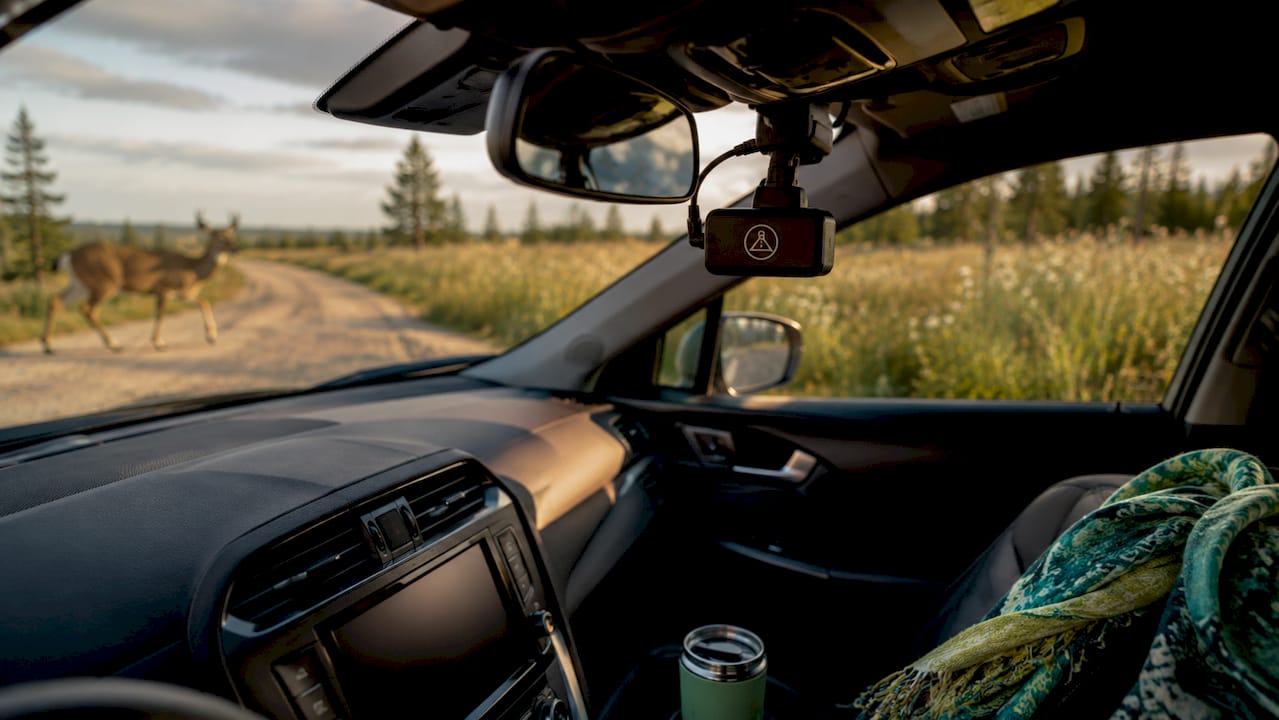
A dashcam is a continuously recording camera mounted inside a vehicle that captures everything on the road, including unexpected wildlife encounters, making it an indispensable tool for nature enthusiasts and wildlife photographers. Unlike a smartphone or action camera, a dashcam runs from the moment you start driving, which means it documents animal crossings you never anticipated. The core reason why dashcam captures wildlife road encounters so reliably is simple: the camera never blinks. Advanced features like automatic emergency locking, night vision sensors, and wide-angle lenses make modern dashcams far more capable than most drivers realize.
Why dashcams capture wildlife road encounters: the technical edge
The hardware inside a modern dashcam is purpose-built for exactly the kind of fast, unpredictable moments that wildlife encounters produce. A deer crossing at dusk or a bear lumbering across a mountain road gives you no warning and no time to grab a camera. The dashcam is already recording.
Here is what makes the technical setup so effective for wildlife capture:
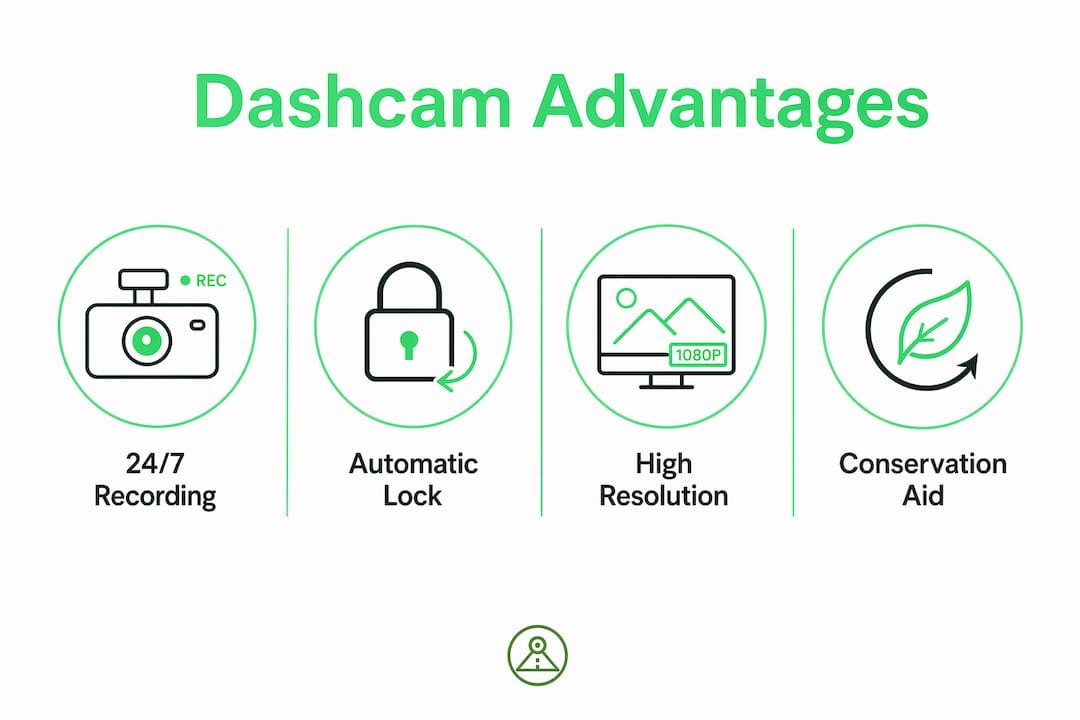
- Resolution: 4K and 2.5K dashcams deliver enough detail to identify species, read road signs, and capture animal behavior clearly, even at highway speeds.
- Wide-angle lenses: Most dashcams use 140–170 degree lenses. That field of view covers roadside shoulders where animals typically appear before stepping onto the pavement.
- Night vision: STARVIS 2 and HDR sensors prevent motion blur and preserve color accuracy at dawn, dusk, and full darkness. These are the hours when deer, coyotes, and owls are most active.
- Emergency lock: The G-sensor or manual lock function protects footage from being overwritten by the continuous loop recording cycle. Without it, a rare mountain lion crossing could disappear in minutes.
- Radar and PTZ integration: Systems like AISecure360 combine radar with PTZ cameras to automatically zoom and track small moving animals, a capability that goes well beyond standard dashcam recording.
Placement matters as much as hardware. Mounting high behind the rearview mirror reduces dashboard glare and expands the peripheral field of view toward road edges. A dashcam mounted low on the windshield catches more hood than habitat.
Pro Tip: If your dashcam supports manual emergency lock, press it the moment you spot an animal, even before the encounter fully unfolds. The lock saves the clip before and after the trigger point, giving you the full sequence.
Is dashcam footage more reliable than human memory?
Human memory is a poor witness to wildlife encounters. Surprise, adrenaline, and the speed of the event all distort recollection. A dashcam has none of those problems.
Objective dashcam footage provides unbiased evidence that human observation simply cannot match. This matters in four specific ways:
- Insurance claims: A collision with a deer or elk causes real vehicle damage. Dashcam footage documents the exact moment of impact, the animal’s direction of travel, and road conditions. That record removes ambiguity from any insurance dispute.
- Legal documentation: In some states, wildlife collisions trigger liability questions, especially on private or managed land. Video evidence establishes facts that witness statements cannot.
- Conservation research: Biologists and wildlife managers use road encounter footage to track species distribution, identify new movement corridors, and measure habitat fragmentation. A single dashcam clip from a rural highway can confirm a species in an area where it was previously unrecorded.
- Personal documentation: For nature photographers, dashcam footage captures the full behavioral context of an encounter, not just a single frame. You see how the animal approached, hesitated, and crossed.
“Dashcams surpass action cameras for wildlife because they constantly record without driver interaction, avoiding missed moments due to distraction or forgetting to activate the camera.”
The “set it and forget it” design is the decisive advantage. An action camera like a GoPro requires manual activation. By the time you reach for it, the moment is gone. A dashcam is already three seconds ahead of you.
Wildlife encounter dashcam capture tips: setup and settings
Selecting and configuring a dashcam for wildlife documentation requires a few deliberate choices. The default factory settings on most units are optimized for urban driving, not low-light rural roads.
Choosing the right dashcam
Reliable dual-channel dashcams cost between $50 and $250 as of 2026. That range covers units with 4K front cameras, adequate night vision, and loop recording with emergency lock. You do not need to spend more than $250 to get footage that clearly identifies wildlife species and road context.
| Feature | Minimum for Wildlife Capture | Recommended |
|---|---|---|
| Resolution | 1080p | 2.5K or 4K |
| Night vision | Basic IR | STARVIS 2 or HDR |
| Field of view | 120 degrees | 140–160 degrees |
| Emergency lock | G-sensor auto | G-sensor + manual |
| Storage | 32GB loop | 64GB + cloud backup |
Mounting and settings
- Mount the dashcam high behind the rearview mirror to minimize glare and capture road shoulders clearly.
- Set loop recording to 1-minute or 3-minute clips. Shorter clips make it easier to locate a specific wildlife moment during review.
- Enable night mode or HDR by default if you drive at dawn or dusk. Switching modes manually while driving is both impractical and unsafe.
- Consider a dual-camera setup to capture both the road ahead and the cabin reaction. The cabin view adds behavioral context when you share footage.
- Use cloud backup or a dedicated storage strategy to prevent overwriting rare clips before you review them.
Pro Tip: After any notable wildlife encounter, pull over safely and manually lock the clip before resuming driving. Do not rely solely on the G-sensor. A slow-moving animal may not trigger the impact threshold.
How dashcam footage supports wildlife conservation and road safety
The value of dashcam wildlife footage extends well beyond personal memory. Researchers, road safety agencies, and conservation organizations all benefit from the data that dashcams produce at scale.
Human-wildlife road encounters often signal habitat loss. When dashcam footage from multiple drivers shows repeated crossings at the same location, that pattern identifies a wildlife corridor that may need a dedicated underpass or fencing. Road ecology researchers at universities and government agencies actively solicit dashcam submissions for exactly this purpose.
The safety implications are equally concrete. Fleets using AI-enabled dashcams have cut safety-related incidents by up to 73%. That figure comes from commercial freight operations on Canadian corridors where wildlife collisions are a documented seasonal risk. The same AI detection logic that flags a merging truck can flag a deer at the road edge. You can read more about how this applies to fleet dashcam safety in practice.
Shared dashcam footage also changes driver behavior. When a video of a wolf crossing a highway goes viral, it raises awareness of that specific road segment in ways that a static warning sign never could. Drivers slow down. Local authorities respond. The footage becomes a public safety tool.
For wildlife photographers specifically, dashcam footage fills a gap that no other tool addresses. You cannot position a trail camera on a public road. You cannot predict which stretch of highway a mountain lion will cross. A dashcam running on every drive turns your entire route into a passive monitoring network.
Key takeaways
Dashcams capture wildlife road encounters reliably because they record continuously, preserve footage automatically, and deliver objective visual evidence that neither human memory nor action cameras can replicate.
| Point | Details |
|---|---|
| Continuous recording wins | Dashcams record without manual activation, capturing wildlife moments you never anticipated. |
| Night vision is non-negotiable | STARVIS 2 or HDR sensors are required for clear footage at dawn, dusk, and night when animals are most active. |
| Emergency lock protects rare clips | Manually lock footage immediately after spotting wildlife to prevent loop recording from overwriting it. |
| Footage has conservation value | Repeated crossing patterns in dashcam clips help researchers identify wildlife corridors and collision risk zones. |
| Mount position determines quality | High placement behind the rearview mirror reduces glare and maximizes the roadside field of view. |
What we’ve learned from years of dashcam wildlife footage
The most surprising thing about reviewing dashcam footage regularly is how much wildlife activity happens on roads you drive every day. A fox at 6:14 a.m. on a suburban connector. A great horned owl landing on a guardrail at mile marker 47. These are not wilderness moments. They are ordinary commutes, and the dashcam caught what the driver’s eyes missed entirely.
We have found that the conservation argument for dashcams is underappreciated. Most drivers think about dashcams in terms of accident documentation. That framing is correct but incomplete. The footage you collect on rural roads during a single road trip season can contribute meaningfully to local wildlife monitoring if you know where to submit it. iNaturalist and state wildlife agencies accept georeferenced video observations. Your dashcam clip becomes a data point.
The practical lesson we keep returning to is this: configure your dashcam before you need it. Set the resolution, enable night mode, and test the emergency lock on a routine drive. When a black bear steps out of the tree line at 5:30 a.m., you will not have time to adjust settings. The camera either captures it cleanly or it does not. Preparation is the entire game.
For nature photographers, we recommend treating the dashcam as a passive layer in your documentation toolkit, not a replacement for your primary camera. It covers the moments between planned shoots. Those unplanned moments are often the most compelling ones.
— Cyberlab Automation
Capture every wildlife moment with DriveSight
If you drive through areas where wildlife encounters are common, your Android phone can become a fully capable dashcam without any hardware purchase.
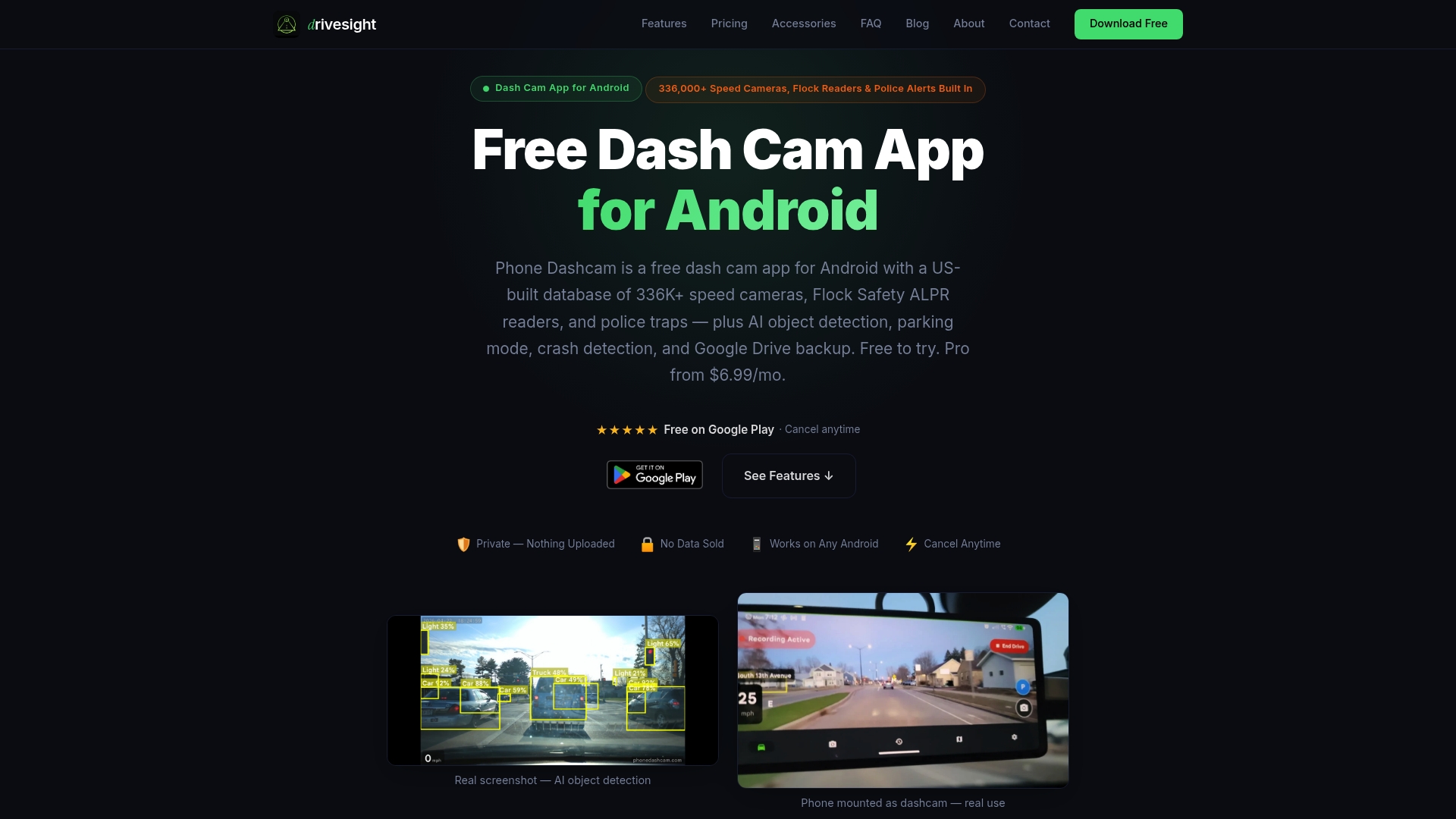
DriveSight’s free app at phonedashcam.com turns your phone into a continuous recording dashcam with AI-powered detection, emergency clip locking, and night vision compatibility. The app uses on-device YOLO detection to flag vehicles, people and road hazards in real time. It does not identify deer: the wild-animal classes were removed because they fired on roadside bushes, and a dedicated deer model was switched off after it labelled cats as deer. For deer season the useful feature is the spoken wildlife hotspot warning, which fires on GPS position before a stretch with reported sightings. Cloud backup keeps your best wildlife clips safe from accidental deletion. Whether you are a daily commuter or a dedicated nature photographer on a road trip, DriveSight gives you professional-grade documentation from the phone already in your cupholder.
FAQ
What makes a dashcam better than a phone camera for wildlife?
A dashcam records continuously without manual activation, so it captures wildlife moments the moment they happen. A phone camera requires you to open an app and press record, which takes several seconds you rarely have.
How do i stop wildlife footage from being deleted by loop recording?
Press the emergency lock button immediately after spotting an animal. The lock function, triggered manually or by the G-sensor, protects the clip from being overwritten by the continuous recording cycle.
What resolution do i need to identify wildlife species on dashcam footage?
2.5K or 4K resolution is recommended for clear species identification. A dual-channel dashcam in the $50–$250 range delivers sufficient detail for both wildlife documentation and license plate reading.
Can dashcam footage be used for wildlife conservation research?
Yes. Conservationists use road encounter footage to map wildlife corridors and track animal movement patterns. Platforms like iNaturalist accept georeferenced video observations, and state wildlife agencies actively solicit dashcam submissions from drivers.
Does night vision matter for wildlife dashcam capture?
Night vision is critical. Most wildlife activity occurs at dawn, dusk, and overnight. STARVIS 2 or HDR sensors prevent motion blur and preserve detail in low-light conditions where standard sensors produce unusable footage.
Recommended
- Does DriveSight Detect Deer? The Honest Answer
- How a Dashcam Protects You During Remote Area Travel
- How dashcam apps capture and preserve your best drive moments
- How Dashcams Capture Rear-End Collision Proof
Get Phone Dashcam free
Loop recording, crash detection, GPS tracking, and AI object detection — all in your phone. No new hardware required.
Download Phone Dashcam