Motion Detection Parking Alert Benefits for Car Owners
Motion Detection Parking Alert Benefits for Car Owners

TL;DR:
- Motion detection parking alerts monitor surroundings and detect approaching objects or movement before damage occurs. They provide immediate notifications, capture full incident timelines, and rely on AI filtering to reduce false alarms. Hardwiring or external batteries are essential to prevent vehicle battery drain during continuous monitoring.
Motion detection parking alerts are systems that monitor your vehicle’s surroundings while parked and automatically trigger recording or push notifications the moment nearby movement is detected. Unlike impact sensors that only respond to physical contact, these systems catch the approach of a person, the slow roll of a shopping cart, or a door swinging open before any damage occurs. By 2026, parking mode has shifted from a premium feature to a baseline expectation in vehicle security. The motion detection parking alert benefits extend well beyond simple recording: they deter crime, produce court-ready evidence, and give drivers real peace of mind around the clock.
1. How motion detection parking alerts work
Motion detection in parking security operates through one of three core methods: pixel change analysis, microwave radar, or geomagnetic induction. Each method has a distinct operating environment and accuracy profile.
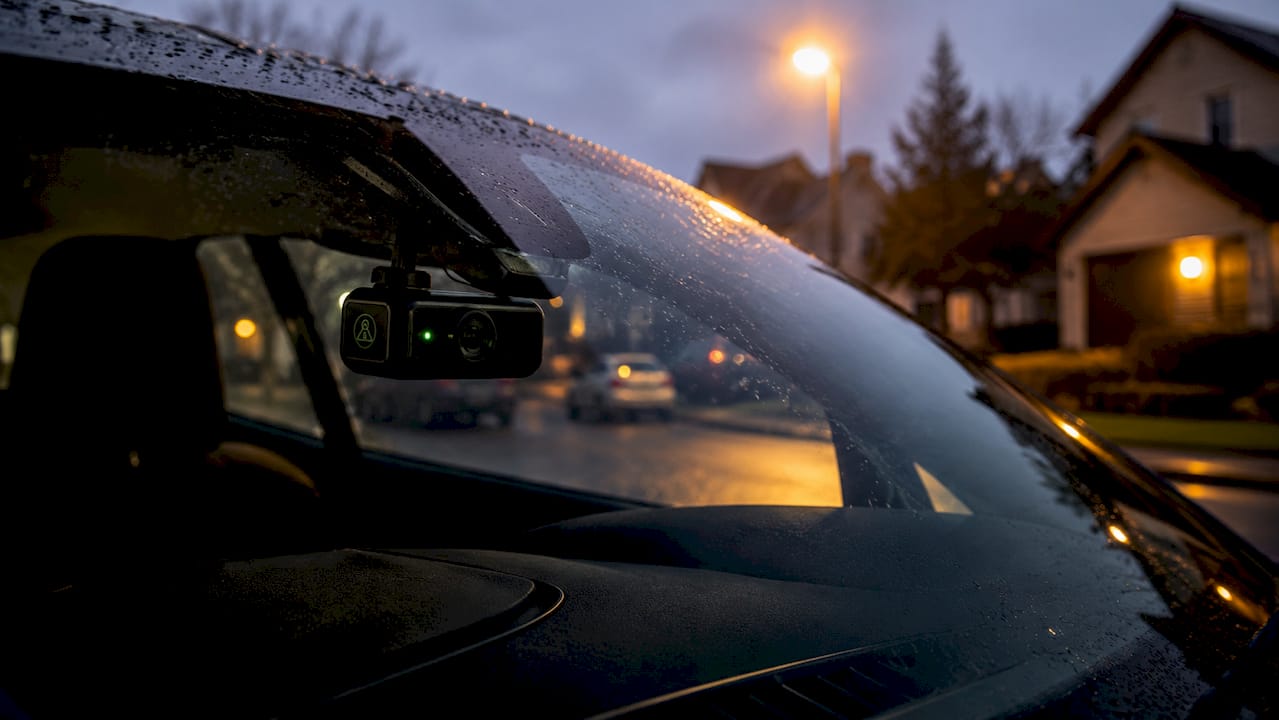
Pixel change detection is the most common approach in dash cam parking modes. The camera continuously compares successive video frames. When enough pixels shift, the system flags movement and begins recording. This method works well in stable lighting but can trigger falsely from headlight sweeps or blowing leaves.
Microwave radar sensors emit radio waves and measure the reflection pattern. When a person or vehicle enters the detection zone, the reflection changes and triggers an alert. Microwave radar operates reliably across temperatures from -20°C to +60°C, making it far more dependable than older passive infrared (PIR) sensors that fail in engine heat or summer parking lots.
Geomagnetic induction sensors detect the magnetic field disruption caused by a large metal object, typically a vehicle, passing nearby. They are highly accurate for vehicle detection but do not respond to pedestrians.
- Pixel change: best for visual evidence, sensitive to lighting changes
- Microwave radar: temperature-independent, detects people and vehicles
- Geomagnetic induction: vehicle-specific, low false alarm rate
- AI-enhanced systems: classify object type before triggering an alert
Pro Tip: If your parking area has heavy foot traffic or variable lighting, choose a system with AI object classification rather than raw pixel detection. It filters out irrelevant motion before the alert fires.
2. Real-time alerts that let you act immediately
The most direct benefit of car movement alerts is the speed of notification. When motion is detected, the system sends a push notification to your phone within seconds. That window matters: a thief breaking into a car typically completes the act in under 60 seconds.
Real-time alerts let you call the police, trigger a remote horn, or simply check live footage before the situation escalates. DriveSight’s parking security mode delivers these notifications directly to your Android device, so you stay connected to your vehicle even from a restaurant or office building. You can view live footage through the remote viewer without needing to run back to the parking lot first.
The psychological effect on would-be thieves is also real. Visible cameras combined with motion-triggered indicators signal that the vehicle is actively monitored, not just passively recorded.
3. Capturing events that impact sensors miss
A G-sensor, or accelerometer-based impact sensor, only activates when the car physically shakes. That means a person trying door handles, someone leaning against your hood, or a slow-speed key scratch goes completely unrecorded. Motion detection fills that gap.
Dual-trigger configurations combining motion detection with impact sensing are now the recommended standard for comprehensive theft deterrence. Motion detection catches the approach and the attempt. Impact detection catches the collision. Together, they cover the full timeline of an incident. Running both modes simultaneously gives you footage that starts before the event, not after.
This matters most in parking lot hit-and-runs, where the other driver may leave before any physical alarm sounds. Motion detection records the vehicle, the license plate, and the direction of travel.
4. Evidence that holds up in insurance disputes
Dashcam footage proves fault in parking lot incidents far more reliably than witness statements or damage photos alone. Insurance adjusters and attorneys need a clear timeline: who was where, when, and what happened. Motion-triggered recordings provide exactly that.
Footage captured by parking motion sensors shows the precise moment of contact, the vehicle involved, and the environmental conditions at the time. This eliminates the “your word against mine” scenario that delays or denies claims. Drivers who present motion-triggered footage typically resolve disputes faster and with better outcomes than those relying on damage reports alone.
The evidence value extends to vandalism, catalytic converter theft, and package theft from vehicles. Each of these crimes leaves a visual record when motion detection is active.
5. Comparing motion detection, G-sensor, and time-lapse modes
Understanding how these three recording modes differ helps you choose the right combination for your situation.
| Mode | Battery use | Event coverage | False alarm rate | Evidence quality |
|---|---|---|---|---|
| Motion detection | Moderate | Movement-based events | Medium (reducible with AI) | High, includes approach |
| G-sensor (impact) | Low | Physical impacts only | Low | High, impact moment only |
| Time-lapse | Low | Continuous, low frame rate | Very low | Medium, no audio |
Motion detection provides the best balance of detail and event coverage. Time-lapse conserves storage and power but captures only one frame every few seconds, which means a fast-moving event may appear as a jump cut with no usable detail. G-sensor recording is efficient but blind to no-contact crimes.
The strongest parking security setup combines all three modes. Motion detection handles approach and low-contact events. G-sensor handles collisions. Time-lapse provides a continuous ambient record of the parking environment.
Pro Tip: Enable buffered recording alongside motion detection. Buffered recording saves several seconds of footage before the trigger event, so you capture the full approach, not just the moment the system woke up.
6. How AI reduces false alerts and notification fatigue
Standard pixel-change detection triggers on anything that moves: a plastic bag, a passing headlight, a tree branch in the wind. That creates notification fatigue, the point where you stop checking alerts because most of them are irrelevant. AI object recognition solves this directly.
AI-powered detection systems in 2026 classify detected objects as pedestrians, animals, or vehicles before deciding whether to send an alert. A squirrel crossing your hood does not trigger a notification. A person approaching your driver-side door does. DriveSight uses YOLOv8-based AI object detection to make this distinction on-device, without sending video to a remote server.
“Dual-mode detection combining geomagnetic induction and microwave radar achieves over 99% accuracy under varied environmental conditions, with failsafe switching to geomagnetic mode during rain or flooding to maintain stable detection.”
- AI classification filters pedestrians, animals, and vehicles before alerting
- Dual-mode sensors combine radar and geomagnetic detection for reliability
- Smart sensitivity settings adjust automatically based on environment
- Context-aware switching prevents failures during extreme weather
- Privacy-focused alternatives like LiDAR detect motion without capturing visual data
For drivers concerned about privacy, parking surveillance without a hardware dashcam is possible using non-visual sensor approaches. LiDAR, for example, maps spatial presence without recording identifiable images, which matters in jurisdictions with strict video surveillance regulations.
7. Power management: keeping your system running all night
Motion detection parking mode draws power continuously, and that creates a real risk of draining your car battery if the system is not set up correctly. A dead battery the next morning defeats the entire purpose of overnight protection.
Hardwiring or a dedicated battery pack is the standard solution for 24/7 coverage. A hardwired connection taps into a fused circuit that cuts power when the battery drops below a safe voltage threshold, protecting your starter battery. Dedicated battery packs, sold separately from the dashcam, provide standalone power for 12–24 hours without any connection to the vehicle’s electrical system.
Advanced parking sensors with NB-IoT communication, like commercial smart city units, achieve battery life exceeding 5 years under typical trigger frequencies. Consumer-grade systems do not reach that level, but the principle of context-aware power management applies to both. DriveSight’s parking mode on Android includes battery optimization settings that dim the screen and reduce processing load while keeping detection active.
Pro Tip: If you park in the same spot every night, set your motion detection sensitivity lower. Familiar environments have predictable ambient movement, and a lower threshold cuts false alerts without reducing real security coverage.
8. Choosing the right system for your parking environment
The right motion detection setup depends on where you park, how long you leave the vehicle, and what threats are most common in that environment.
- Street parking in urban areas: Use buffered motion detection with AI filtering. High foot traffic means false alarms are frequent without object classification. Pair with a hardwired power solution for overnight coverage.
- Covered parking garages: Radar sensors perform well here. Consistent temperature and low wind reduce environmental false triggers. Geomagnetic sensors also work reliably in concrete structures.
- Open surface lots: Pixel-change detection works in daylight but struggles at night without infrared capability. Choose a system with low-light or night vision support.
- Residential driveways: Time-lapse combined with motion detection provides a full overnight record without heavy battery draw. Lower sensitivity settings work well in predictable environments.
- Long-term airport or commuter parking: A dedicated battery pack is non-negotiable. Hardwiring is not always practical in remote lots. Pair with remote viewing so you can check footage from anywhere.
For commuters specifically, enabling dashcam parking mode takes less than two minutes in DriveSight and can be configured to activate automatically when the phone detects the car has stopped moving. The future of car electronics in 2026 points toward tighter integration between smartphone apps and vehicle sensors, making app-based parking security increasingly capable without dedicated hardware.
Key Takeaways
Motion detection parking alerts are the most effective way to capture vehicle security events that impact sensors and time-lapse recording both miss, because they monitor movement before contact occurs.
| Point | Details |
|---|---|
| Motion detection fills sensor gaps | G-sensors miss no-contact crimes; motion detection records the full approach and attempt. |
| AI filtering prevents alert fatigue | YOLOv8-class AI distinguishes people from animals and objects before sending a notification. |
| Dual-mode accuracy tops 99% | Combining radar and geomagnetic sensors reduces false alarms across all weather conditions. |
| Power management is non-negotiable | Hardwiring or a battery pack prevents overnight battery drain during continuous monitoring. |
| Buffered recording captures lead-up footage | Saving seconds before the trigger event ensures the full incident timeline is recorded. |
Why motion detection has become the baseline, not the bonus
We have tested parking security setups across street parking, open lots, and covered garages, and the pattern is consistent: drivers who rely on impact detection alone discover the gap only after a key scratch or a broken mirror with no footage. Motion detection is not a premium upgrade. It is the minimum viable layer of parking security in 2026.
The mistake we see most often is skipping the power solution. A driver installs a capable system, leaves it running on the car’s battery, and finds a dead vehicle the next morning. That experience creates distrust in the technology, when the real failure was the installation. Hardwire it or use a dedicated pack. There is no workaround.
The second common mistake is leaving sensitivity at the default setting. Default settings are calibrated for average environments. Your parking spot is not average. Spend five minutes adjusting sensitivity after your first night of use, and you will cut false alerts by a significant margin.
The direction the technology is heading is clear: AI classification will become standard even in entry-level systems, and privacy-preserving detection like LiDAR will expand into consumer products. Drivers who adopt motion detection now build the habit and the infrastructure to benefit from those improvements as they arrive. Proactive adoption also has a direct insurance benefit: documented evidence of monitoring can support claims and, in some cases, reduce premiums.
— Cyberlab Automation
DriveSight parking security mode: built for everyday drivers
DriveSight turns your Android phone into a full parking security system with no hardware purchase required. The app’s parking mode activates motion detection automatically when your vehicle stops, sends real-time push alerts to your phone, and uses on-device AI to filter out irrelevant movement before notifying you.
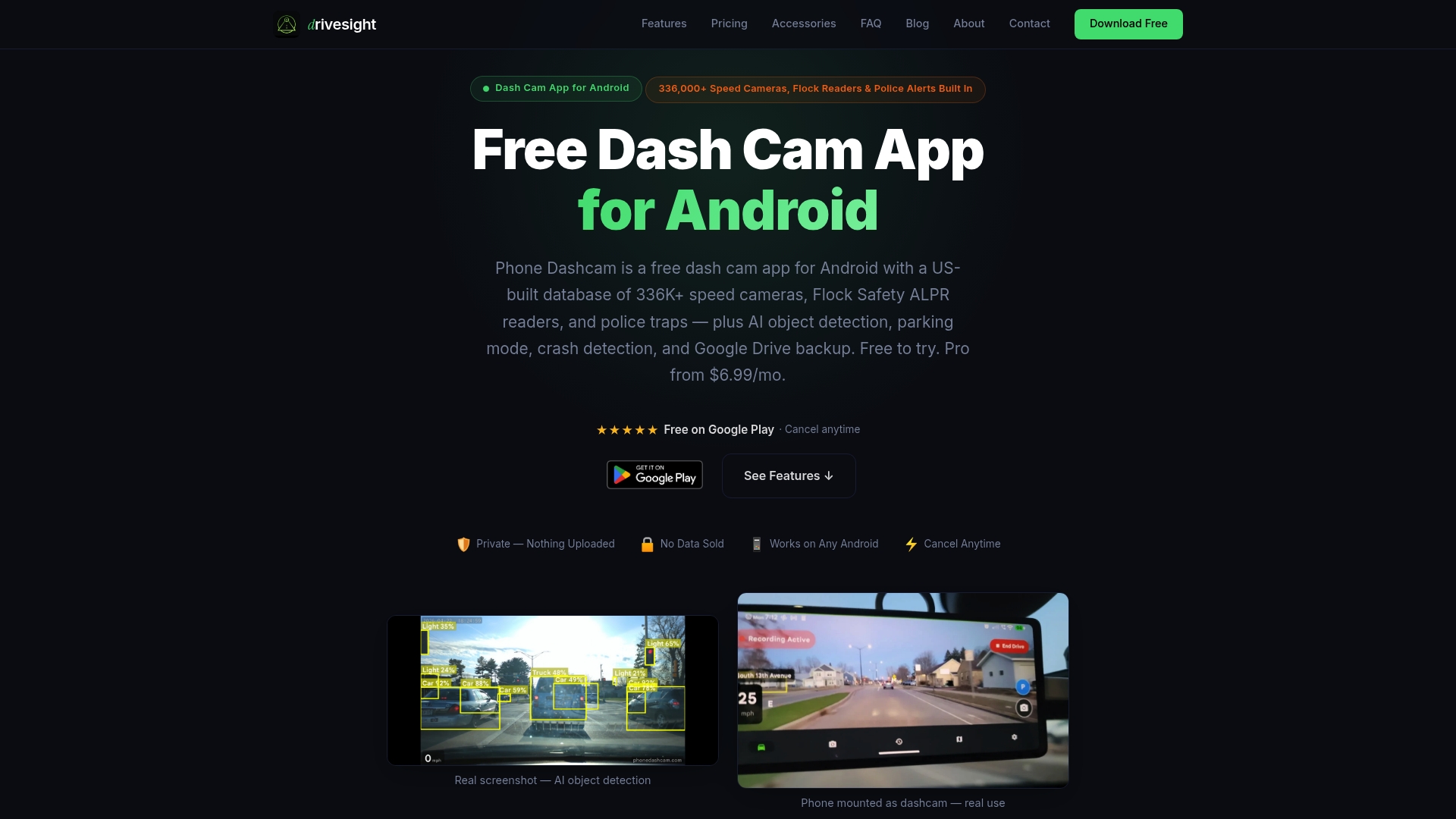
You can adjust sensitivity, set detection zones, and review footage remotely through the DriveSight remote viewer. The app runs in the background on any Android device, including older phones you can mount and dedicate to parking surveillance. For drivers who want AI-powered object detection that identifies people, animals, and vehicles separately, the YOLO AI detection feature is available in the premium tier. Download the free version at phonedashcam.com and activate parking mode in under two minutes.
FAQ
What is a motion detection parking alert?
A motion detection parking alert is a system that monitors your vehicle’s surroundings while parked and triggers recording or a phone notification when movement is detected nearby. It captures events that impact sensors miss, including approaches, attempted break-ins, and low-speed collisions.
How does motion detection differ from a G-sensor in parking mode?
A G-sensor activates only when the vehicle physically shakes from an impact. Motion detection activates when movement occurs in the camera’s field of view, catching no-contact crimes and hit-and-runs before or without physical contact.
Does motion detection drain my car battery overnight?
Standard motion detection draws continuous power and can drain a car battery over several hours. Hardwiring with a voltage cutoff or using a dedicated external battery pack prevents battery drain during overnight monitoring.
Can AI reduce false alerts from motion detection?
AI object classification, such as YOLOv8-based detection used in DriveSight, identifies whether detected movement comes from a person, animal, or vehicle before sending an alert. This significantly reduces false notifications from wind, shadows, and passing headlights.
What parking environment benefits most from motion detection?
Urban street parking and open surface lots benefit most, because those environments have the highest exposure to theft, vandalism, and hit-and-run incidents. Covered garages benefit from radar-based sensors that perform consistently in enclosed, temperature-stable conditions.
Recommended
- Parking Surveillance Mode: What Every Driver Should Know
- Dashcam Parking Mode: How It Works on Android (2026 Guide)
- Parking Surveillance Without a Hardware Dashcam
- Dashcam Alert When Your Car Is Bumped: 2026 Guide
Get Phone Dashcam free
Loop recording, crash detection, GPS tracking, and AI object detection — all in your phone. No new hardware required.
Download Phone Dashcam