How a Dashcam Alerts Owner to Tampering: 2026 Guide
How a Dashcam Alerts Owner to Tampering: 2026 Guide
TL;DR:
- Modern dashcams use sensors, AI, and cloud alerts to detect and notify owners of tampering in real time. These systems identify physical interference and digital manipulation with high accuracy, helping ensure footage integrity. Cloud connectivity and proper setup prevent false alerts and improve overall vehicle security.
A dashcam alerts its owner to tampering through real-time notifications triggered by physical disconnection, lens obstruction, or digital video manipulation. These dashcam tampering alerts go far beyond simple recording. They combine accelerometer-based sensing, AI-powered lens detection, and cloud connectivity to notify you the moment something goes wrong with your device. Understanding how dashcam alerts owner to tampering notifications work is the first step toward using your dashcam as a genuine security tool, not just a passive recorder. Modern systems send SMS, email, or in-app alerts within seconds of a detected event.
How dashcam alerts owner to tampering: physical detection explained
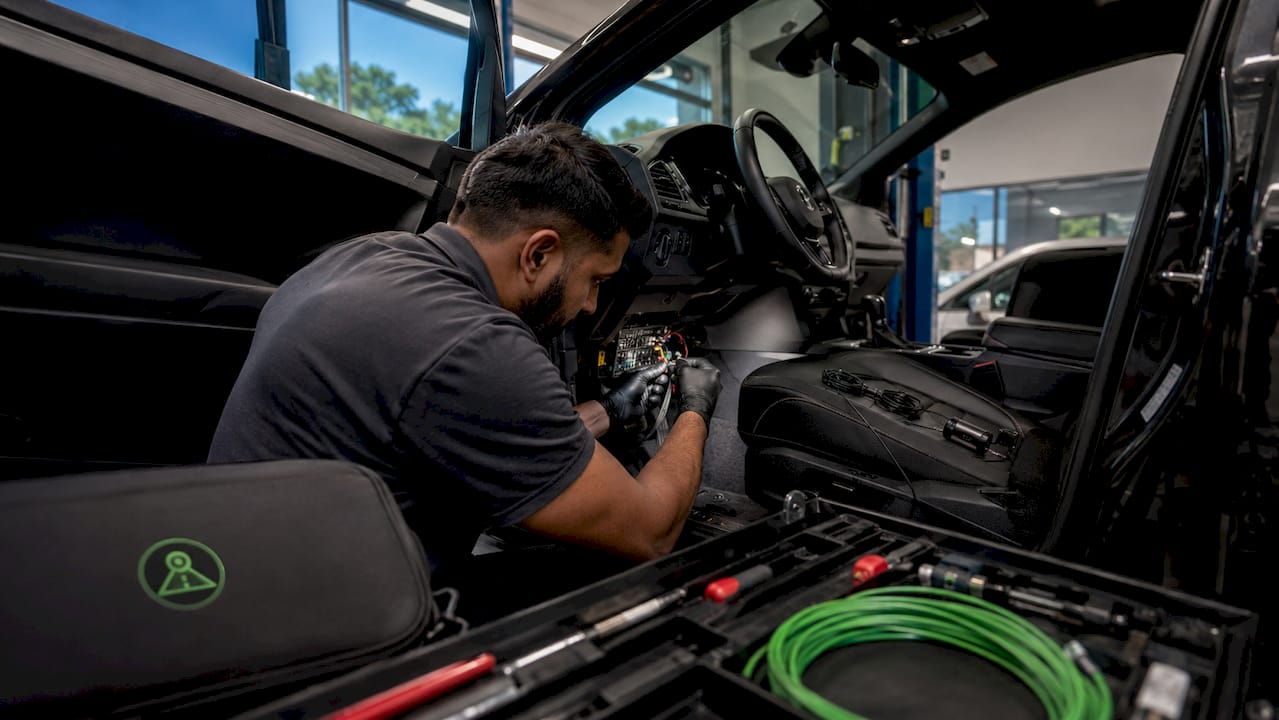
Physical tampering is the most common threat car owners face. Someone unplugs your dashcam, blocks the lens, or pulls the device off the windshield entirely. Modern dashcams use automated diagnostic alerts to notify owners instantly when power or data connections are severed, and AI-powered lens detection fires an alert the moment the camera view is obstructed.
The core detection methods work like this:
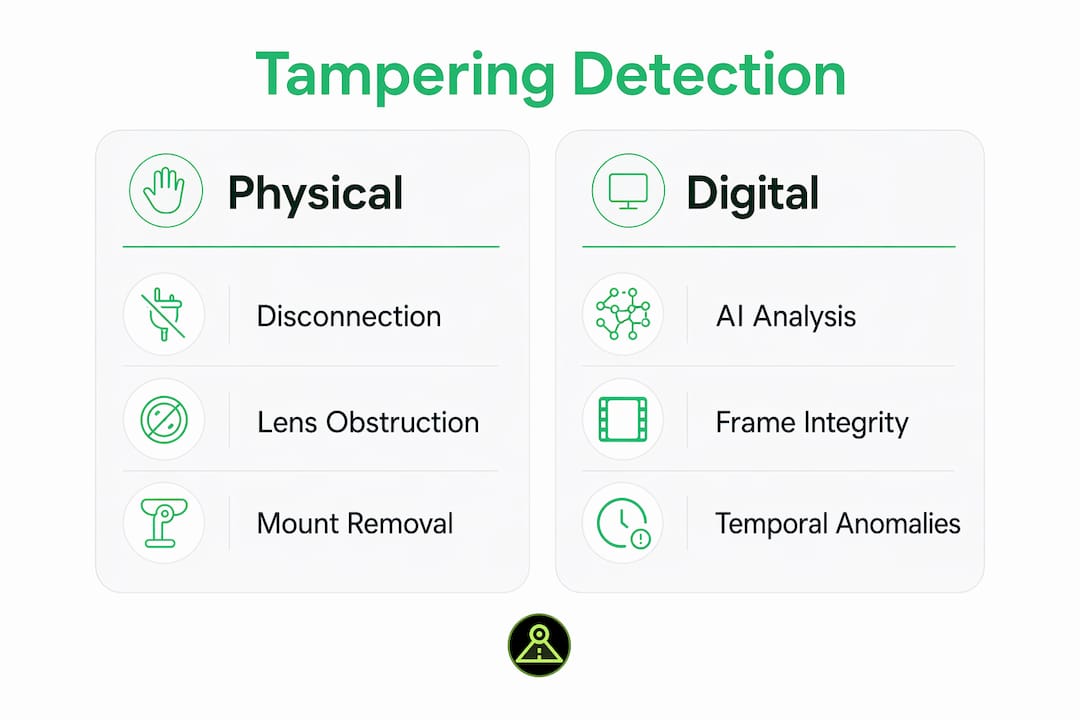
- Disconnection alerts: When the power cable is pulled or cut, the dashcam registers a sudden loss of voltage. The device sends a disconnect event to the cloud before it powers down, triggering an immediate notification to your phone.
- Accelerometer-based movement detection: Built-in motion sensors detect when the unit is physically moved, rotated, or removed from its mount. Any unexpected movement outside of normal driving vibration fires a tamper event.
- Lens obstruction detection: AI object detection monitors the camera feed continuously. If the lens is covered by a hand, tape, or cloth, the system flags the feed as obstructed and sends an alert.
- Door open alerts: Sensor-based triggers detect door events during parked periods, adding another layer of tamper awareness when the vehicle is unattended.
- Status light deterrence: Visible dashcams with status lights deter tampering effectively. The blinking LED signals active recording and discourages interference before it starts.
One vulnerability most car owners overlook is the power source. The most common cause of dashcam failure is power disconnection from vibration or dislodgement when using cigarette lighter adapters. A loose adapter creates false disconnect alerts and leaves genuine tampering events undetected.
Pro Tip: Hardwire your dashcam to a dedicated fuse tap in your vehicle’s fuse box. This eliminates false disconnection alerts from adapter vibration and keeps the unit powered even when the ignition is off, which is critical for parking mode monitoring.
How do dashcams detect digital tampering using AI?
Physical sensors catch the obvious attacks. Digital forensic detection catches the sophisticated ones. A thief who knows what they are doing will not unplug your dashcam. They will delete footage, insert blank frames, or duplicate clips to hide what happened. This is where AI-driven video analysis becomes critical.
Multi-feature neural networks detect temporal anomalies in dashcam footage with up to 96.3% accuracy for unauthorized frame insertions, deletions, or duplications. These models process video at approximately 12.7–12.9 frames per second, enabling near real-time verification of footage integrity. That means the system can flag manipulated video almost as fast as it is recorded.
| Detection method | What it catches | How it works |
|---|---|---|
| Physical disconnection sensing | Cable pulls, power cuts, device removal | Voltage drop triggers cloud event before shutdown |
| Accelerometer tamper detection | Mount removal, physical repositioning | Motion outside normal driving parameters fires alert |
| AI lens obstruction detection | Lens covering, spray, physical blocking | AI monitors feed continuity and flags blank or static frames |
| Neural network forensic analysis | Frame deletion, insertion, duplication | Multi-feature model compares temporal patterns across the video stream |
| Connectivity anomaly monitoring | Hacking attempts, data spikes, dropped connections | System flags unusual network behavior as a digital tampering indicator |
The forensic layer matters for legal reasons too. Dashcam footage serves as legally admissible evidence only when it is unaltered and securely stored. Tampering detection preserves footage authenticity for insurance claims and court proceedings. Without it, a clever adversary can undermine your evidence entirely.
Advanced AI models analyze multi-dimensional features of video streams to detect subtle temporal inconsistencies that reveal frame manipulation. For a deeper look at how this technology works in practice, the field of CCTV forensic analysis applies the same neural network principles to dashcam evidence verification.
Pro Tip: Enable cloud backup so footage uploads continuously rather than storing only on the local SD card. If someone steals or destroys the dashcam, the cloud copy remains intact and forensically verifiable.
What role does cloud connectivity play in owner notifications?
Cloud connectivity is what turns a dashcam from a recording device into a real-time security system. Without it, you only discover tampering after you physically inspect the unit. With it, you get a notification on your phone within seconds of the event.
Cloud-based dashcam systems provide immediate actionable intelligence through real-time alerts and remote footage access. This transforms security monitoring beyond local recording entirely. The practical benefits for car owners include:
- Instant SMS and email alerts: The moment a disconnect or obstruction event fires, the cloud system pushes a notification to your registered contact. You do not need to be near the vehicle.
- In-app push notifications: Mobile apps receive tamper events in real time, with a timestamp and event type so you know exactly what triggered the alert.
- Remote footage access: Cloud systems let you pull live or recent footage from your phone without being at the car. If you receive a tamper alert, you can review the last recorded frames immediately.
- Parking mode monitoring: Cloud-connected parking mode detects motion or impact during parked periods and uploads triggered clips automatically. This is the primary defense against hit-and-run incidents and break-in attempts.
- Multi-vehicle monitoring: Owners managing more than one vehicle can monitor all units from a single dashboard, receiving consolidated alerts for any tamper event across the fleet.
Cloud storage also solves the evidence destruction problem. A thief who steals the dashcam eliminates the local recording. Cloud-uploaded footage survives device theft because the clips already exist on remote servers. For owners who park overnight or in high-risk areas, overnight footage storage via cloud is the most reliable protection available.
One practical limitation to plan for: cloud alerts require a cellular or Wi-Fi connection. A dashcam that relies solely on Wi-Fi will not send alerts in a parking garage or remote location without a signal. Choose a system with cellular connectivity or configure alerts to queue and send when the connection resumes.
Common challenges with dashcam tampering alerts and how to fix them
False alerts are the biggest reason car owners disable their tamper notifications. Once the alerts feel unreliable, owners stop paying attention to them, which defeats the purpose entirely. The root cause is almost always a setup problem, not a product flaw.
- Fix your power source first. Power loss from vibration-induced dislodgment of cigarette lighter adapters is the leading cause of false disconnect alerts. Hardwiring with a dedicated fuse tap eliminates this problem at the source.
- Calibrate motion sensitivity. Accelerometer sensitivity set too high will fire alerts from normal road vibration, wind, or a passing truck. Adjust the sensitivity threshold in your dashcam settings until only genuine movement events trigger notifications.
- Update firmware regularly. Manufacturers push firmware updates that refine detection algorithms and reduce false positive rates. An outdated firmware version is often the reason a dashcam fires spurious alerts.
- Monitor connectivity patterns. Frequent connectivity drops and sudden data spikes are key indicators of sophisticated digital tampering or hacking attempts. Review your dashcam’s connection log periodically. Unusual patterns warrant investigation even when no physical alert fired.
- Secure your dashcam’s network access. Dashcams connected to your vehicle’s Wi-Fi hotspot are exposed to the same network vulnerabilities as any IoT device. Use a strong, unique password for the hotspot and change it regularly. Avoid leaving the dashcam’s default admin credentials unchanged.
- Check mounting hardware monthly. A loose mount causes the unit to shift during driving, which triggers false movement alerts. Inspect the adhesive or suction mount and replace it if it shows any play.
Avoiding common dashcam setup mistakes from the start saves significant frustration later. The goal is a system that alerts you only when something real happens, so you act on every notification with confidence.
Pro Tip: Set a weekly reminder to check your dashcam app’s event log. Patterns of repeated alerts at the same time or location often reveal a recurring issue, whether a loose cable, a sensitivity miscalibration, or a genuine recurring threat.
Key Takeaways
A dashcam alerts its owner to tampering through a layered system of physical sensors, AI-powered video analysis, and cloud-based real-time notifications that together provide reliable vehicle security monitoring.
| Point | Details |
|---|---|
| Physical disconnection alerts | Power loss events trigger cloud notifications before the device shuts down, reaching your phone within seconds. |
| AI lens obstruction detection | AI monitors the camera feed continuously and fires an alert the moment the lens is covered or blocked. |
| Neural network forensic analysis | Multi-feature models detect frame deletion, insertion, or duplication with up to 96.3% accuracy. |
| Cloud connectivity is critical | Cloud-based systems enable remote footage access and parking mode monitoring that survive device theft. |
| Hardwiring prevents false alerts | Replacing cigarette lighter adapters with a hardwired fuse tap eliminates the leading cause of false disconnect events. |
My honest assessment of dashcam tamper alert systems
Car owners consistently underestimate the digital threat and overestimate the physical one. Most people worry about someone ripping the dashcam off the windshield. That is the easy attack to catch. The harder attack is someone who accesses the SD card, deletes two minutes of footage, and replaces the device exactly where they found it. You would never know without forensic video analysis running in the background.
The AI forensic layer described in this article is genuinely impressive technology. Neural networks operating at near real-time speeds catching frame-level manipulation is not a theoretical capability. It is production-ready in 2026. The gap is that most car owners do not know it exists, so they buy a dashcam for its recording quality and ignore the integrity verification features entirely.
The other mistake I see repeatedly is treating tamper alerts as a set-and-forget feature. Alert fatigue is real. If your system fires three false alerts a week from a loose adapter, you will start ignoring all alerts, including the genuine ones. Invest thirty minutes in proper installation and sensitivity calibration. That single session is worth more than any premium feature tier.
Cloud connectivity changes the security equation fundamentally. Remote monitoring capabilities mean you respond to a tamper event in real time rather than discovering it hours later. The deterrence value of a visible, cloud-connected dashcam with active status lights is substantial. Opportunistic thieves and vandals move on when they see active monitoring. The goal is not just to record what happened. The goal is to prevent it from happening at all.
— Cyberlab Automation
DriveSight brings tamper alerts to your Android phone
DriveSight turns your Android phone into a cloud-connected dashcam with built-in parking security and real-time tamper notifications. The app’s parking mode detects motion and impact events while your car sits unattended, then pushes instant alerts to your phone with timestamped clips already backed up to the cloud.
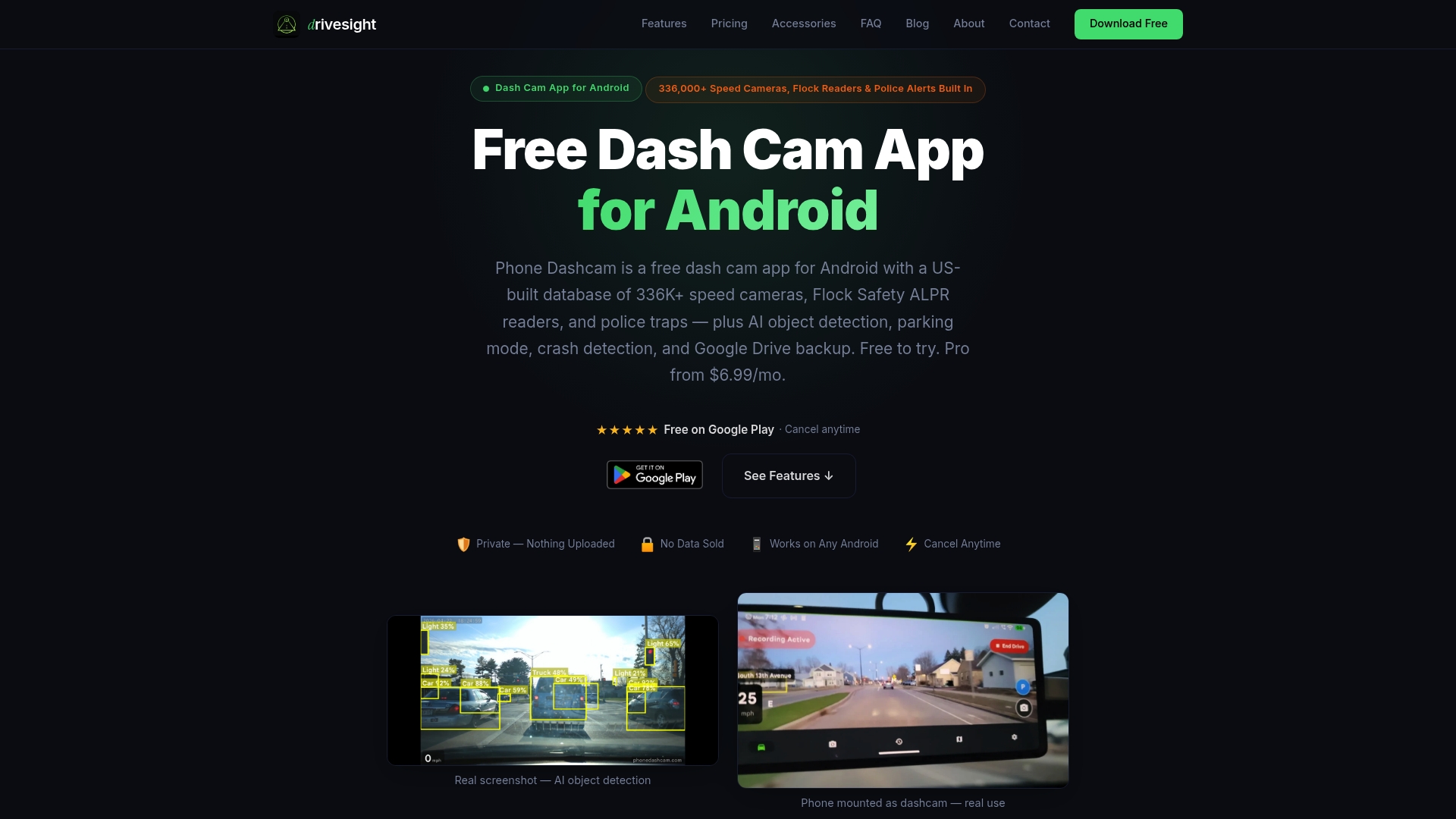
You do not need dedicated hardware to get reliable tamper protection. DriveSight runs on any Android device, including an old phone mounted in your vehicle full-time. Features include AI-powered detection, motion-triggered recording, and remote footage viewing from anywhere. The free version covers core security features, and the premium tier adds cloud storage and advanced alert configurations. Try the free dashcam app and activate parking security mode today.
FAQ
How does a dashcam alert the owner when it is unplugged?
A dashcam sends a disconnect event to the cloud the moment it detects a power loss, triggering an immediate SMS, email, or in-app notification to the registered owner before the device shuts down.
What types of tampering can a dashcam detect?
Dashcams detect physical tampering such as cable disconnection, lens obstruction, and mount removal, as well as digital tampering including frame deletion, insertion, and duplication using AI-powered forensic video analysis.
Can someone delete dashcam footage without the owner knowing?
Modern dashcams with neural network forensic analysis detect frame-level manipulation with up to 96.3% accuracy, flagging deleted or altered footage as a tamper event and alerting the owner through connected cloud systems.
What is the best way to reduce false dashcam tamper alerts?
Hardwiring the dashcam to a dedicated fuse tap eliminates the most common source of false alerts, which is power disconnection from vibration-induced dislodgment of cigarette lighter adapters.
Does dashcam footage count as legal evidence if tampering is detected?
Dashcam footage is legally admissible when it is unaltered and securely stored. Tampering detection and cloud backup preserve footage authenticity, making it reliable for insurance claims and court proceedings.
Recommended
- Dashcam Alert When Your Car Is Bumped: 2026 Guide
- Dashcam Footage Privacy on Public Roads: 2026 Guide
- Phone Dashcam Blog — Dashcam Guides, App Comparisons & Driving Tips
- Common Dashcam Setup Mistakes That Ruin Your Footage
Get Phone Dashcam free
Loop recording, crash detection, GPS tracking, and AI object detection — all in your phone. No new hardware required.
Download Phone Dashcam