Driver Coaching via Dashcam: What It Means for You
Driver Coaching via Dashcam: What It Means for You
TL;DR:
- Driver coaching via dashcam uses AI-driven cameras to monitor driving behavior and provide real-time alerts. This proactive approach reduces accidents, improves safety, and promotes driver development through structured feedback sessions. It is now accessible on personal smartphones through apps like DriveSight, making effective coaching widely available.
Driver coaching via dashcam is defined as the use of AI-powered camera systems to monitor driving behavior, deliver real-time alerts, and generate video evidence used in structured feedback sessions to improve driver safety. This is the industry’s formal term for what many drivers now call “dashcam driver coaching.” The technology shifts the role of a dashcam from a passive recorder to an active safety tool. AI-powered dashcams deliver in-cab alerts for speeding, tailgating, and distraction the moment they happen. DriveSight builds on this same principle, bringing real-time alerts and AI detection to any Android phone.
What does driver coaching via dashcam mean, exactly?
Driver coaching via dashcam means using a camera system, paired with AI software, to catch risky driving events and turn them into teachable moments. The camera records what happens on the road and inside the cab. The AI analyzes that footage in real time and flags unsafe behaviors. A coach or manager then reviews the flagged clips with the driver to discuss what happened and how to improve.
This is a meaningful shift from the older model of dashcam use. Traditional dashcams recorded footage passively and retrieved it only after an incident. Coaching-focused systems work proactively. They intervene before a near-miss becomes a crash. The goal is driver development, not surveillance.
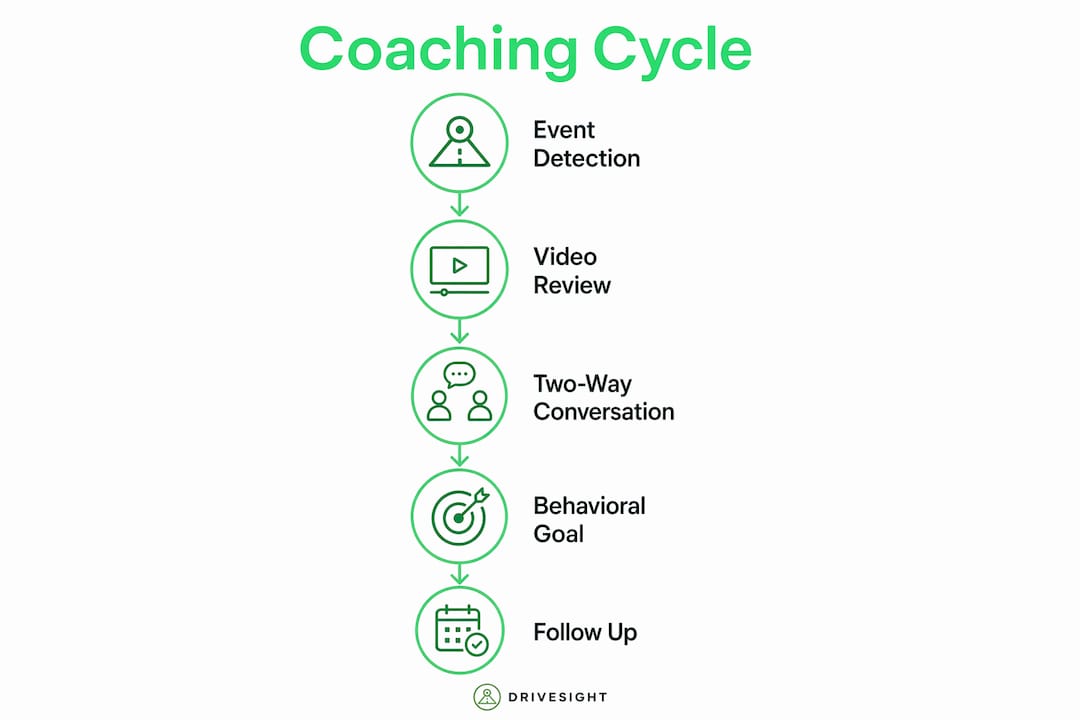
The coaching cycle follows a clear pattern: event detection, video review, a two-way conversation, and a behavioral goal set for the next period. That structure is what separates dashcam coaching from simple monitoring. Structured coaching cycles using video evidence reduce high-risk driving events by 27% after a single cycle. That result shows how quickly behavior changes when feedback is specific and visual.
Pro Tip: The most effective coaching sessions happen within 24 hours of the recorded event. The sooner a driver reviews the footage, the more clearly they connect the feedback to their own experience.
What are the key benefits of dashcam coaching for drivers?
The benefits of driver coaching via dashcam fall into three clear categories: safety, efficiency, and professional development.
- Fewer accidents. 71% of fleets report improved driver safety after adopting data-driven coaching that combines telematics and video. That is not a marginal gain. It reflects a genuine change in how drivers approach the road.
- Operational efficiency. The same research shows 57% of fleets report efficiency gains. Fewer incidents mean fewer delays, lower repair costs, and less time spent on insurance claims.
- Driver development. Coaching sessions give drivers specific, evidence-based feedback. Watching your own footage is far more persuasive than a verbal warning. Drivers who see themselves making a mistake are more likely to correct it.
- Insurance benefits. Documented safe driving behavior supports lower premiums and faster claims resolution. Video evidence removes ambiguity in fault disputes.
- Sustained engagement through recognition. Gamification techniques like scoring systems boost morale and keep drivers invested in their own improvement over time.
The combination of real-time correction and structured review creates a feedback loop that compounds. Drivers who improve their scores in one coaching cycle tend to maintain those gains in the next.
How does dashcam coaching technology work in practice?
The hardware side of dashcam coaching typically involves a dual-facing camera. One lens faces the road ahead. The other faces the driver. The road-facing camera captures tailgating, lane departures, and near-collisions. The driver-facing camera detects distraction, phone use, and fatigue. Both feeds run simultaneously and feed into an AI model that scores each event in real time.
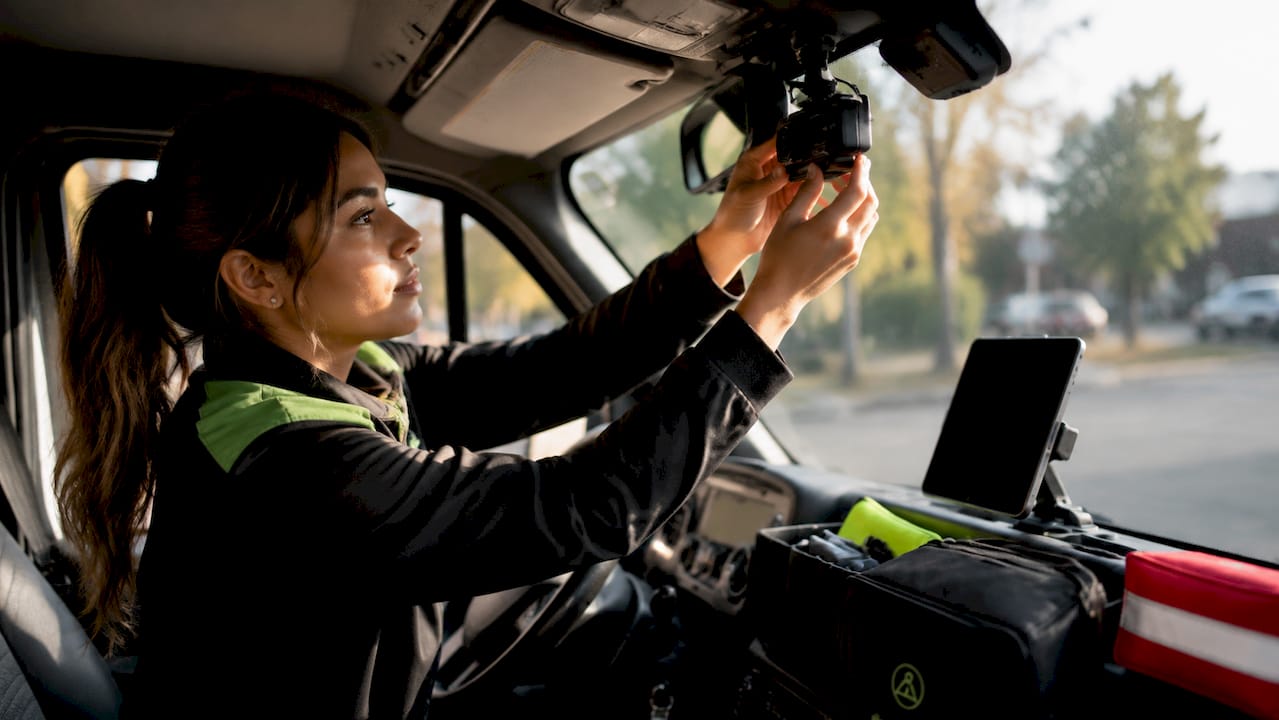
AI-powered dashcams act as a virtual copilot, issuing in-cab audio or visual alerts the moment a risky behavior is detected. A driver who follows too closely hears an alert before the situation escalates. That immediate feedback is the coaching mechanism in action. It does not wait for a manager’s review. It corrects behavior on the spot.
The data collected goes beyond video. Telematics feeds in GPS location, speed, acceleration, and braking force. That combination lets a coach distinguish between a driver who braked hard because of poor judgment and one who braked hard to avoid a pedestrian who stepped off the curb. Context matters in coaching, and the data provides it.
Managers and coaches access all of this through a dashboard. Flagged events are ranked by severity, so the most dangerous clips surface first. Reviewing critical footage for an entire fleet can take as little as 15–20 minutes per day when AI prioritization handles the sorting. That efficiency makes coaching programs practical even for small teams.
How do organizations implement dashcam coaching programs?
The most common mistake in rolling out a dashcam coaching program is skipping the trust conversation. Drivers who feel watched without explanation become defensive. That defensiveness undermines every coaching session that follows.
The right approach starts with transparency. Driver buy-in depends on clear communication about what is recorded, who can view it, and how it will be used. When drivers understand that footage is a development tool and not a disciplinary weapon, adoption rates improve significantly.
“The best coaching conversations arise when both manager and driver review footage together, acknowledging external factors that affected the driving event. That collaborative approach builds trust and produces better outcomes than one-sided reviews.”
Practical implementation follows these steps:
- Set the framework first. Define what behaviors trigger a coaching session and what the review process looks like before cameras go live.
- Use video collaboratively. Reviewing footage together helps distinguish driver-controlled errors from systemic issues like poor route design or unrealistic schedules.
- Build in recognition. Acknowledge improvement publicly. Drivers who receive positive feedback alongside correction stay engaged longer.
- Keep sessions short and specific. A 10-minute review of one clear clip is more effective than a 45-minute general discussion.
- Track progress over time. Dashboards that show score trends give drivers a visible record of their growth, which reinforces the development mindset.
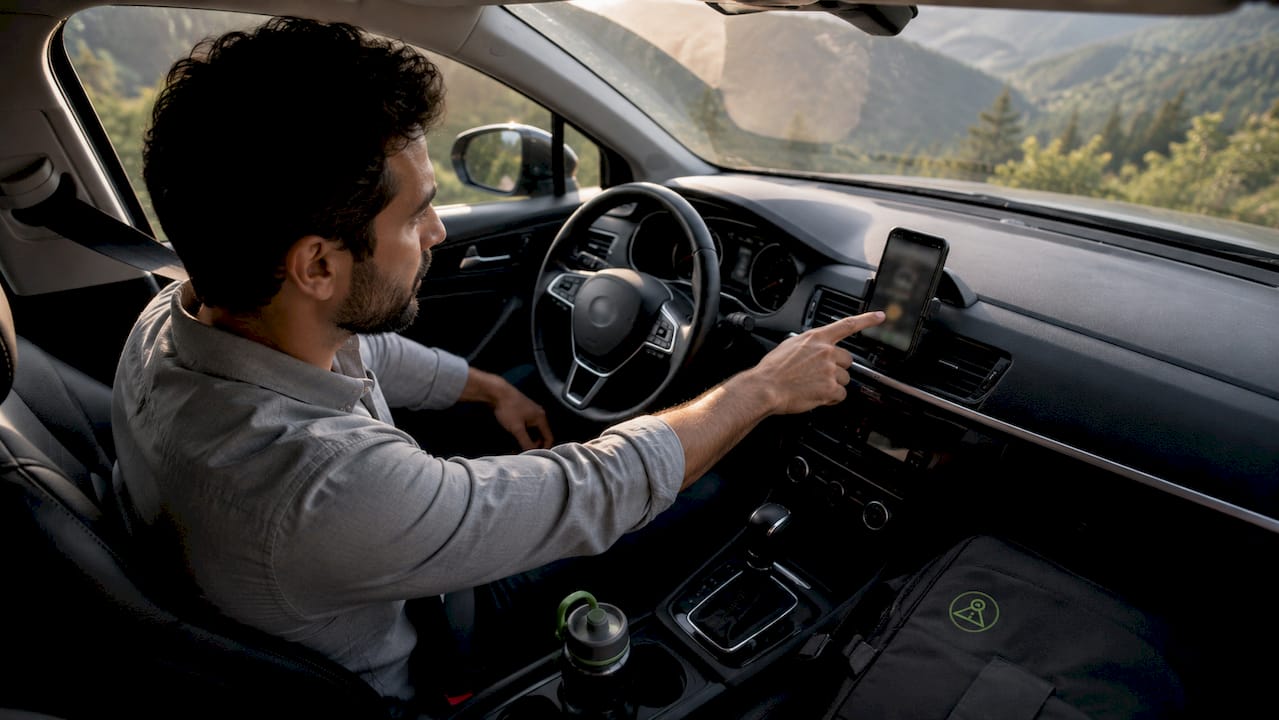
For individual drivers and vehicle owners, the implementation is simpler. Mount your phone, open a dashcam app with AI alerts enabled, and review flagged clips after each trip. The same principles apply at any scale.
What challenges come with dashcam driver coaching?
Privacy concern is the most common barrier to dashcam coaching adoption. Drivers worry that footage will be used against them in disciplinary proceedings rather than to help them improve. That concern is legitimate and deserves a direct response.
A transparency-first approach addresses privacy concerns most effectively. Explain exactly what the camera records, who has access, how long footage is stored, and under what circumstances it can be shared externally. Put that policy in writing. Drivers who have a clear policy in hand are far less likely to resist the program.
Other common challenges include:
- Generic feedback. Telling a driver they “need to slow down” without showing them specific footage produces defensiveness, not change. Evidence-based feedback built around actual video clips reduces that defensiveness and improves outcomes.
- Overemphasis on correction. Programs that only flag mistakes without recognizing improvement create a negative culture. Balance matters.
- Technical data privacy. On-device processing and local storage reduce exposure compared to cloud-only systems. Drivers should know where their data lives.
- Inconsistent review cycles. Coaching only works when it happens regularly. Sporadic reviews produce sporadic results.
Pro Tip: Frame every coaching session around a question, not a verdict. “What do you think was happening here?” opens a conversation. “You were speeding” closes one.
How can everyday drivers benefit from dashcam coaching technology?
Dashcam coaching is not exclusive to commercial fleets. Consumer dashcam apps deliver practical coaching features that help everyday drivers build better habits, receive safety alerts, and document incidents. The technology that fleet managers use is now available on the phone already in your pocket.
For personal vehicle owners, the most useful features include real-time alerts for speed camera zones, AI hazard detection, and automatic crash save. These features do not require a manager or a formal coaching session. The app itself acts as the coach, flagging risky moments and saving the footage for later review.
The table below shows how dashcam coaching features translate from fleet use to personal use:
| Feature | Fleet application | Personal driver application |
|---|---|---|
| Real-time in-cab alerts | Notifies drivers of unsafe behavior during delivery routes | Warns you of speed cameras and hazards on your commute |
| AI event detection | Flags harsh braking and tailgating for manager review | Saves clips of near-misses automatically for your own review |
| Video evidence | Supports insurance claims and incident investigations | Provides proof in fault disputes after an accident |
| Motion detection | Monitors parked fleet vehicles overnight | Alerts you to tampering or damage while your car is parked |
| Driving score tracking | Managers track fleet-wide improvement over time | You track your own progress and identify patterns |
Apps like DriveSight, which run on any Android phone, bring all of these features to personal drivers without requiring dedicated hardware. The phone sitting in your cupholder becomes a full coaching tool. Features like AI object detection using YOLOv8 identify hazards on the road ahead, while the built-in alert database covers over 336,000 speed cameras and red light cameras worldwide.
Key Takeaways
Driver coaching via dashcam works because AI-powered cameras deliver real-time feedback, structured video review, and evidence-based coaching sessions that measurably reduce risky driving behavior.
| Point | Details |
|---|---|
| Core definition | Dashcam coaching uses AI and video evidence to improve driver behavior through real-time alerts and structured review. |
| Proven safety impact | Structured coaching cycles reduce high-risk driving events by 27% after a single review cycle. |
| Transparency is critical | Drivers adopt coaching programs faster when they understand exactly what is recorded and how footage is used. |
| Works for personal drivers | Consumer dashcam apps deliver the same core coaching features as fleet systems, without dedicated hardware. |
| Positive reinforcement matters | Combining correction with recognition and scoring systems sustains long-term safety culture improvements. |
From passive recording to active development: my take
The most important shift in dashcam coaching is not technological. It is cultural. For years, dashcams were positioned as surveillance tools, and drivers treated them accordingly. The moment organizations reframe the camera as a development partner rather than a watchdog, the results change dramatically.
We have watched this play out repeatedly. Programs that lead with transparency and pair correction with recognition produce drivers who actively want to improve their scores. Programs that lead with punishment produce drivers who resent the camera and find ways to work around it. The technology is identical in both cases. The outcome is entirely different.
AI is accelerating the coaching cycle in ways that were not possible three years ago. Real-time alerts, automatic event prioritization, and on-device processing mean that feedback arrives faster and with less management overhead. The next step is predictive coaching, where systems identify patterns before a high-risk event occurs. That capability is already emerging in advanced fleet platforms and in apps like DriveSight that use YOLOv8-based detection to flag hazards the moment they appear on screen.
The long-term benefit is not just fewer accidents. It is a driver workforce that takes genuine ownership of their safety record. That cultural shift is the real return on investment.
— Cyberlab Automation
DriveSight brings dashcam coaching to your Android phone
Driver coaching technology no longer requires expensive hardware or a fleet management contract. DriveSight turns any Android phone into a full-featured dashcam with AI-powered alerts, automatic crash detection, and real-time speed camera warnings drawn from a database of over 336,000 locations worldwide.
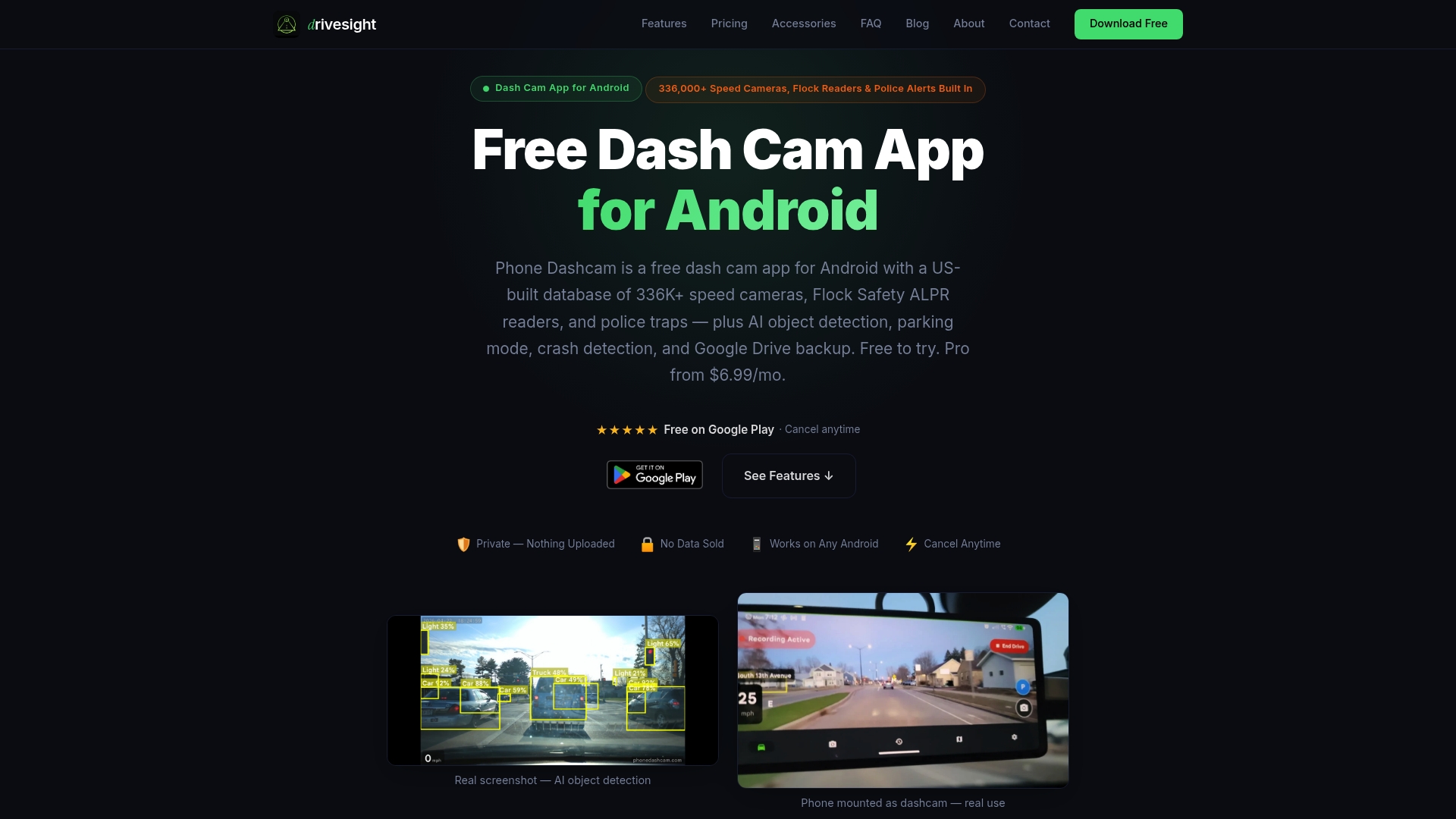
The free version of the Phone Dashcam app gives you immediate access to recording, AI hazard alerts, and incident save. The premium tier adds cloud backup, the remote viewer for monitoring your vehicle remotely, and advanced parking security modes. Whether you commute daily, drive for a rideshare platform, or simply want a clearer record of what happens on the road, DriveSight delivers the core benefits of driver coaching without the cost of dedicated hardware.
FAQ
What does driver coaching via dashcam mean?
Driver coaching via dashcam is the process of using AI-powered camera systems to monitor driving behavior, deliver real-time alerts, and facilitate evidence-based feedback sessions that improve driver safety and skills.
How does dashcam coaching differ from regular dashcam recording?
Standard dashcams record passively and retrieve footage after an incident. Coaching systems analyze footage in real time, flag risky events automatically, and support structured review sessions designed to change driver behavior before accidents occur.
Can everyday drivers use dashcam coaching, not just fleets?
Yes. Consumer dashcam apps provide real-time alerts, AI hazard detection, and automatic incident saving that give personal drivers the same core coaching benefits available to commercial fleets, without dedicated hardware.
How quickly does dashcam coaching improve driving behavior?
Structured coaching cycles using video evidence reduce high-risk driving events by 27% after a single cycle, making it one of the fastest-acting driver improvement methods available.
What is the biggest barrier to dashcam coaching adoption?
Driver concern about surveillance is the most common barrier. A transparency-first approach, explaining what is recorded, who sees it, and how it is used, resolves most resistance and accelerates adoption.
Recommended
- Why fleet dashcams deter reckless driving effectively
- Dual-Camera Dashcam Mode Explained for Drivers in 2026
- The Role of AI in Dashcam Alerts: A Driver’s Guide
- What is road trip dashcam recording explained: your driver’s guide
Get Phone Dashcam free
Loop recording, crash detection, GPS tracking, and AI object detection — all in your phone. No new hardware required.
Download Phone Dashcam