Why a Cheap Dashcam Alternative Matters for Drivers
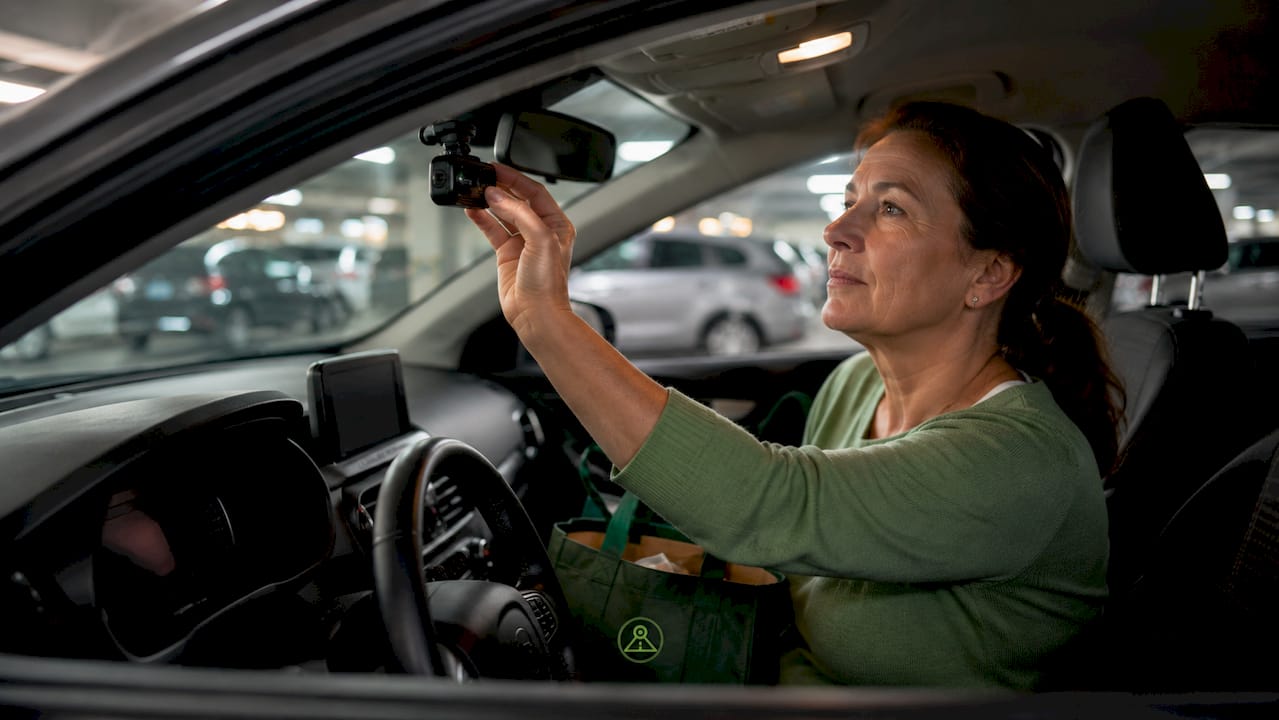
A cheap dashcam alternative is defined as any recording solution priced under $150 that delivers reliable video evidence without the hardware failures common in ultra-budget models. Why this matters is straightforward: a dashcam that fails silently during an accident leaves you with no footage, no defense, and a potential insurance nightmare. The difference between a $25 no-name unit and a $99 model with a Sony STARVIS sensor is not just image quality. It is the difference between usable evidence and a corrupted file. Understanding where affordability ends and false economy begins is the most practical decision you can make for vehicle security.
What are the risks of ultra-cheap dashcams under $50?
Ultra-cheap dashcams below $50 fail in ways that are not obvious until you need the footage most. Cheap dashcams frequently experience silent failures caused by heat exposure and storage corruption, meaning the camera appears to be recording when it is not. You only discover the failure after an incident, which is the worst possible moment.
The core hardware problems in this price tier include:
- Image sensors that cannot capture license plates at night, producing blurry, washed-out frames with no evidentiary value
- Lithium-ion batteries that swell and shut down when parked cars reach interior temperatures above 120°F, which happens regularly in summer
- Loop recording instability that corrupts saved files or overwrites critical footage before it can be locked
- No GPS logging, which removes location and speed data that insurance adjusters and courts rely on
Cheap dashcams often remove GPS logging, stable loop recording, and heat-resistant components to cut costs. This is not a minor inconvenience. Without GPS data, a dashcam recording carries significantly less weight in a disputed claim. Without stable loop recording, you risk losing the exact 30 seconds that prove you were not at fault.
The insurance consequences are real. If your footage is corrupt, blurry, or missing entirely, the claim defaults to a word-against-word dispute. That outcome often results in shared fault rulings and premium increases that cost far more than a better dashcam would have.
Pro Tip: Before trusting any dashcam under $50, record a 30-minute test drive, then review the footage on a computer at full resolution. If you cannot read a license plate at 30 feet in daylight, the camera will be useless at night or in an insurance dispute.
How budget dashcams ($50–$150) improve reliability and video quality
The $50 to $150 price range is where dashcam reliability changes meaningfully. This range is the recommended investment for most drivers because it balances quality sensors, reliable recording, and durability without excess cost.
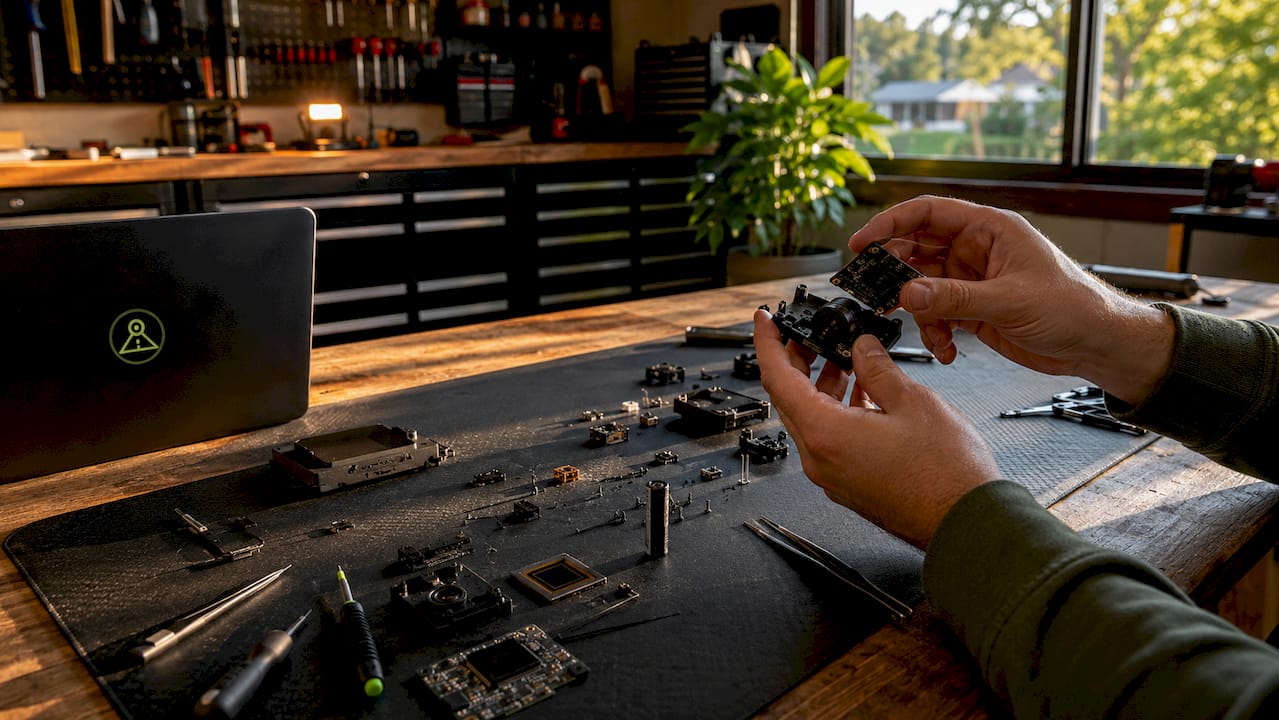
The two most important hardware upgrades at this tier are the image sensor and the power source.
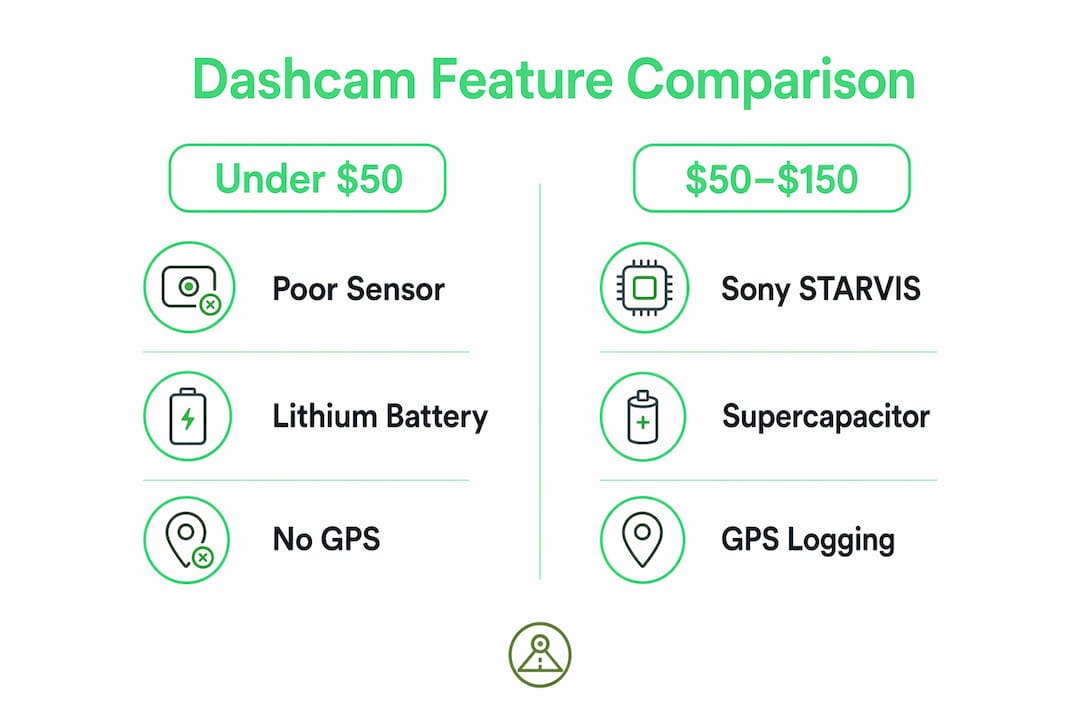
Sony STARVIS sensors use back-illuminated pixel technology that captures significantly more light per frame. The practical result is that night footage shows readable license plates and clear lane markings instead of a dark blur. Budget dashcams with Sony STARVIS sensors perform reliably in 99% of insurance disputes, which is the clearest evidence that sensor quality directly determines evidence quality.
Supercapacitors replace lithium-ion batteries in better-designed budget models. Supercapacitors handle extreme car temperatures better than lithium-ion cells, avoiding swelling and sudden shutdowns under heat. A parked car in direct sun routinely exceeds 120°F inside, a temperature that degrades lithium-ion cells within months. Supercapacitor models survive this environment for years.
| Feature | Under $50 models | $50–$150 models |
|---|---|---|
| Image sensor | Generic CMOS, poor low-light | Sony STARVIS, clear night footage |
| Power source | Lithium-ion battery | Supercapacitor (heat-resistant) |
| GPS logging | Rarely included | Commonly included |
| Loop recording stability | Inconsistent | Reliable with event-locking |
| Evidence usability | Low | High |
Pro Tip: When comparing models, search the product listing for “Sony STARVIS” or “supercapacitor” specifically. If neither term appears, treat the listing with skepticism regardless of the resolution claims.
What dashcam features actually matter for affordability and performance?
Knowing which features to prioritize separates a smart budget purchase from a wasted one. The phone dashcam features that matter most for evidence quality and long-term reliability fall into four categories.
Resolution and frame rate are the most misunderstood specs in the budget dashcam market. Many brands market “4K” resolution but use sensors closer to 720p or 1080p that are digitally upscaled. Upscaling inflates the spec sheet but does not add the pixel-level detail needed to identify a face or read a plate at distance. True 1080p at 60 frames per second is more useful for evidence than upscaled 4K at 30 frames per second.
Storage reliability is equally critical and frequently overlooked. Standard consumer microSD cards fail within 6 to 12 months under constant overwrite cycles. High-endurance cards rated for dashcam use last significantly longer and maintain data integrity under heat. Buying a quality dashcam and pairing it with a standard card is a common mistake that leads to the same silent failure problem found in ultra-cheap units.
Mounting stability affects footage usability directly. A suction-cup mount that vibrates at highway speeds produces shaky footage that is harder to analyze. Adhesive mounts or windshield brackets with locking mechanisms hold position better and produce steadier frames.
Event-locking protects critical footage from being overwritten during loop recording. When the dashcam detects a sudden deceleration or impact, it locks the current file segment automatically. Without this feature, a collision clip can be overwritten before you pull over and check the camera.
Is a low-cost dashcam worth it?
A low-cost dashcam is worth it when the purchase price is weighed against the cost of a single disputed insurance claim. Dashcam evidence accelerates claims, rejects fraud, and provides legal proof in courts, which translates directly into avoided premium increases and faster claim resolution.
The drivers who benefit most from budget dashcam options are:
- Daily commuters in high-traffic urban areas where minor collisions and staged accidents are more frequent
- New drivers who face higher baseline premiums and cannot afford wrongful fault rulings that raise rates further
- Drivers in warm climates such as Arizona, Texas, and Florida, where interior car temperatures destroy lithium-ion batteries and make supercapacitor models a necessity rather than a preference
- Ride-share and delivery drivers who log high mileage and face elevated exposure to disputed incidents
“Dashcams are best viewed as insurance policies rather than tech gadgets, with a $100 to $150 investment preventing costly insurance claims.” — Are Dashcams Worth It?
The most common buyer mistake is treating the purchase price as the only cost. A $30 dashcam that fails silently costs you nothing upfront and potentially thousands in a disputed claim. A $110 model with a Sony STARVIS sensor and supercapacitor power costs more at purchase and protects you every single drive. That is the value of a budget-friendly dashcam done right. You can also review how dashcams cut insurance premiums over time to understand the full financial picture.
Key takeaways
A reliable budget dashcam in the $50 to $150 range, built around a Sony STARVIS sensor and supercapacitor power, delivers the evidence quality and durability that ultra-cheap models consistently fail to provide.
| Point | Details |
|---|---|
| Ultra-cheap dashcams fail silently | Models under $50 frequently corrupt files or shut down in heat, leaving no usable footage. |
| Sony STARVIS sensors define evidence quality | Back-illuminated sensors capture readable night footage, the standard for insurance disputes. |
| Supercapacitors outlast batteries | Supercapacitor-powered models survive 120°F+ car interiors where lithium-ion cells degrade quickly. |
| Storage cards matter as much as the camera | High-endurance microSD cards prevent data corruption that standard cards develop within 6 to 12 months. |
| Dashcams are financial protection | A $100 to $150 investment prevents wrongful fault rulings and premium increases worth far more. |
Why we think the $50–$150 range is the only range worth discussing
We have tested and reviewed dashcam hardware across price tiers, and the pattern is consistent. Below $50, the failure rate is not a risk. It is a near-certainty over a 12-month period. The cameras look functional on the dashboard, but the combination of heat, cheap storage controllers, and low-grade sensors produces footage that is either missing or unusable when it matters.
The market has also shifted noticeably toward supercapacitor models in the $80 to $130 range, and that shift is driven by user feedback, not marketing. Drivers in hot climates who switched from lithium-ion models report dramatically fewer failures. That is a hardware signal worth trusting.
Our honest advice: ignore resolution numbers above 1080p unless the listing confirms a native high-resolution sensor. Ignore any dashcam that does not specify its power source. Focus on the image sensor model and the power system first. Everything else is secondary. A phone dashcam vs real dashcam comparison is also worth reading if you want to understand how smartphone-based solutions fit into this picture.
— Cyberlab Automation
Turn your Android phone into a reliable dashcam with DriveSight
If you want the benefits of budget dashcams without buying any hardware at all, DriveSight offers a free Android app that transforms your existing smartphone into a fully functional dashcam.
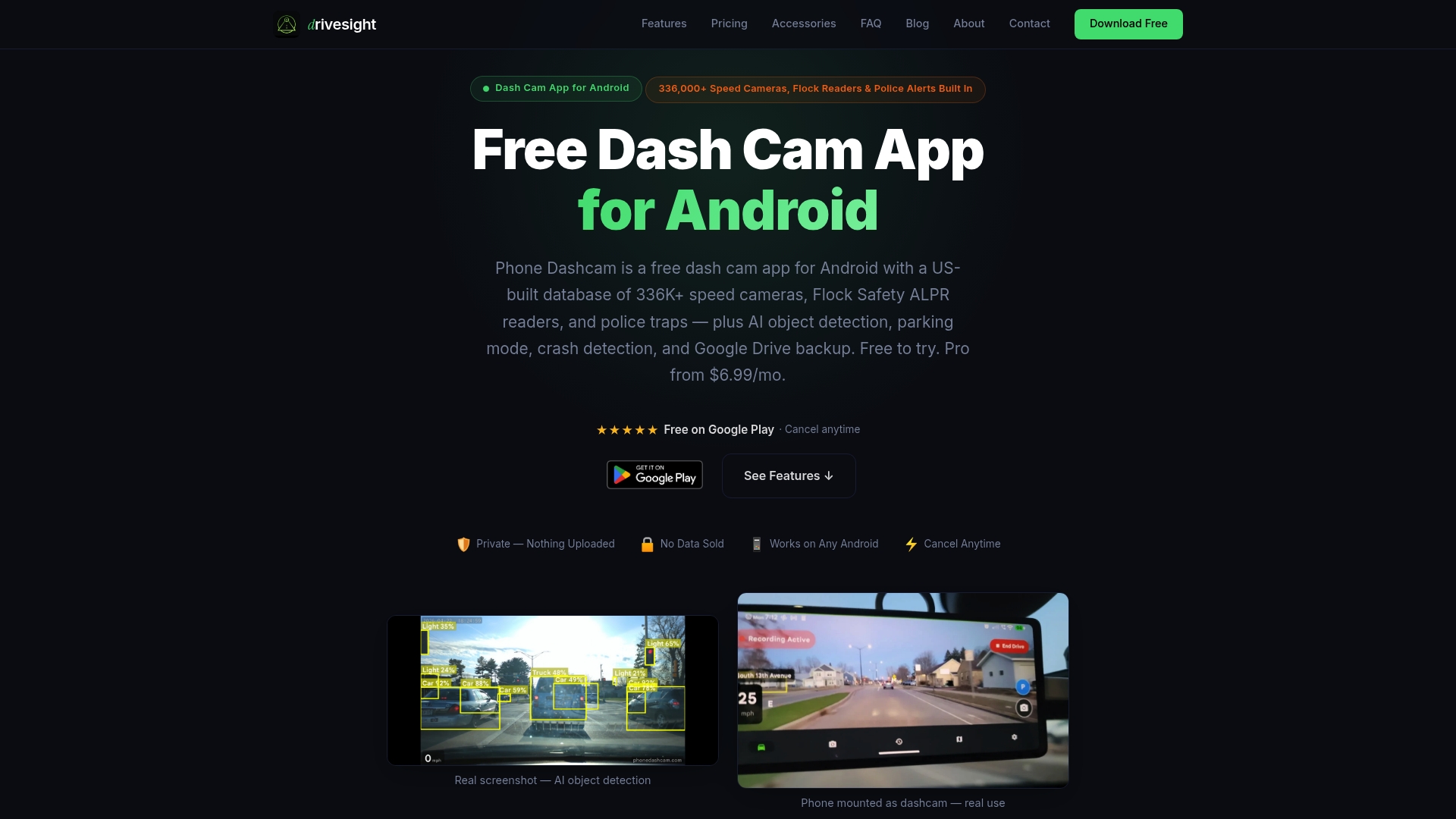
The DriveSight app includes AI-powered crash detection, automatic event-locking, parking security mode, and cloud backup. It draws on a database of over 336,000 speed cameras, red light cameras, and ALPR readers worldwide to deliver real-time alerts while you drive. For commuters, ride-share drivers, and anyone with a spare Android phone, it is a zero-hardware path to reliable dashcam coverage. You can explore the full feature set at phonedashcam.com and start recording on your next drive.
FAQ
What makes a cheap dashcam alternative worth buying?
A budget dashcam is worth buying when it includes a quality image sensor, a stable power source, and reliable loop recording. Models in the $50 to $150 range with Sony STARVIS sensors and supercapacitor power consistently meet this standard.
Why do dashcams under $50 fail so often?
Dashcams under $50 typically use lithium-ion batteries that degrade in high car temperatures and low-grade sensors that cannot capture usable night footage. These hardware limitations cause silent recording failures that only become apparent after an incident.
Does dashcam resolution matter for insurance claims?
True sensor resolution matters more than marketed resolution. Many budget models advertise 4K but use upscaled 1080p or lower sensors, which lack the detail needed to identify license plates or faces in evidence-critical footage.
What storage card should I use with a budget dashcam?
Use a high-endurance microSD card rated for continuous overwrite cycles. Standard consumer cards fail within 6 to 12 months under dashcam use, which can result in corrupted or missing footage.
Can a smartphone replace a dedicated dashcam?
A smartphone running a dedicated app like DriveSight can match or exceed the recording quality of many hardware dashcams in the $50 to $100 range, with the added benefit of AI detection, cloud backup, and zero hardware cost.
Recommended
- Phone Dashcam vs Real Dashcam: Honest Comparison (2026)
- Drive Recorder Alternative — Phone Dashcam vs Drive Recorder
- Phone Dashcams Are Not What You Think — Why They Actually Work Now in 2026
- Why fleet dashcams deter reckless driving effectively
Get Phone Dashcam free
Loop recording, crash detection, GPS tracking, and AI object detection — all in your phone. No new hardware required.
Download Phone Dashcam