Free vs Premium Dashcam App Features: 2026 Guide
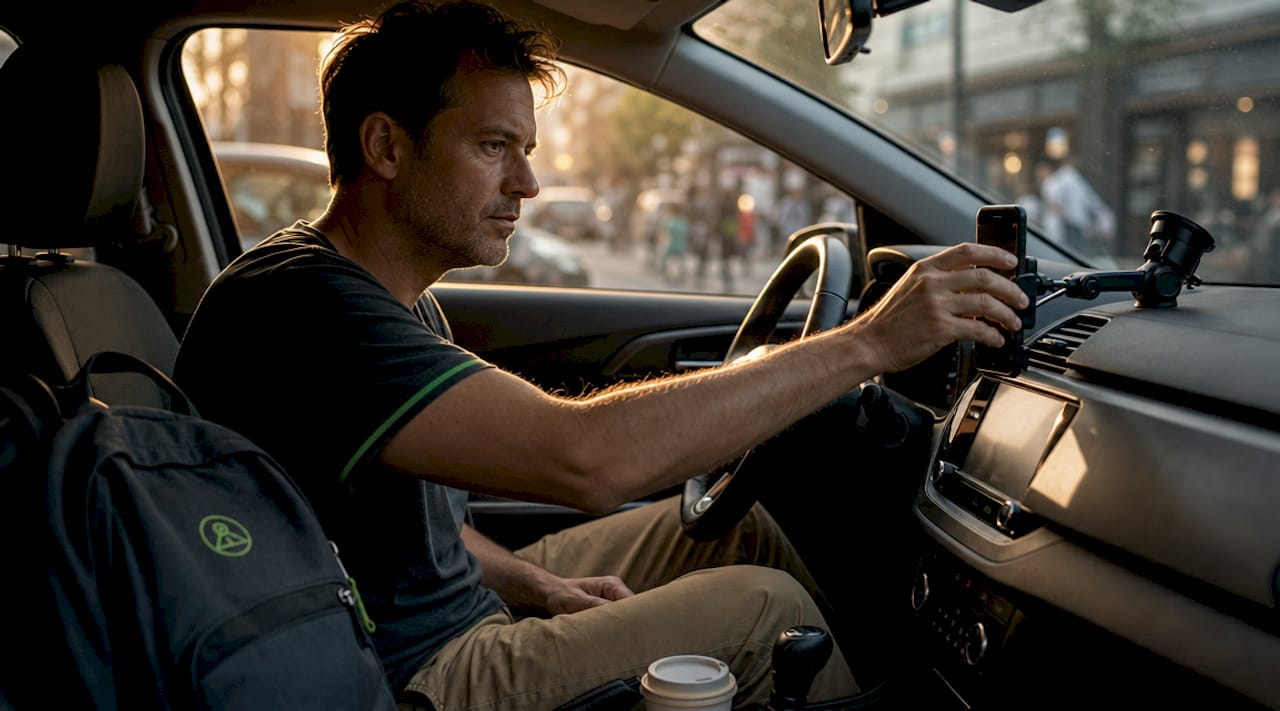
Free dashcam apps deliver continuous loop recording, crash detection, and GPS overlays at no cost, while premium tiers add cloud backup, AI hazard detection, and remote live viewing for drivers who need more than the basics. Understanding the difference between free vs premium dashcam app features helps you spend money only where it actually improves your safety. Apps like Droid Dashcam and BlackVue illustrate how wide that gap can be, and privacy considerations add another layer to the decision that most buyers overlook entirely.
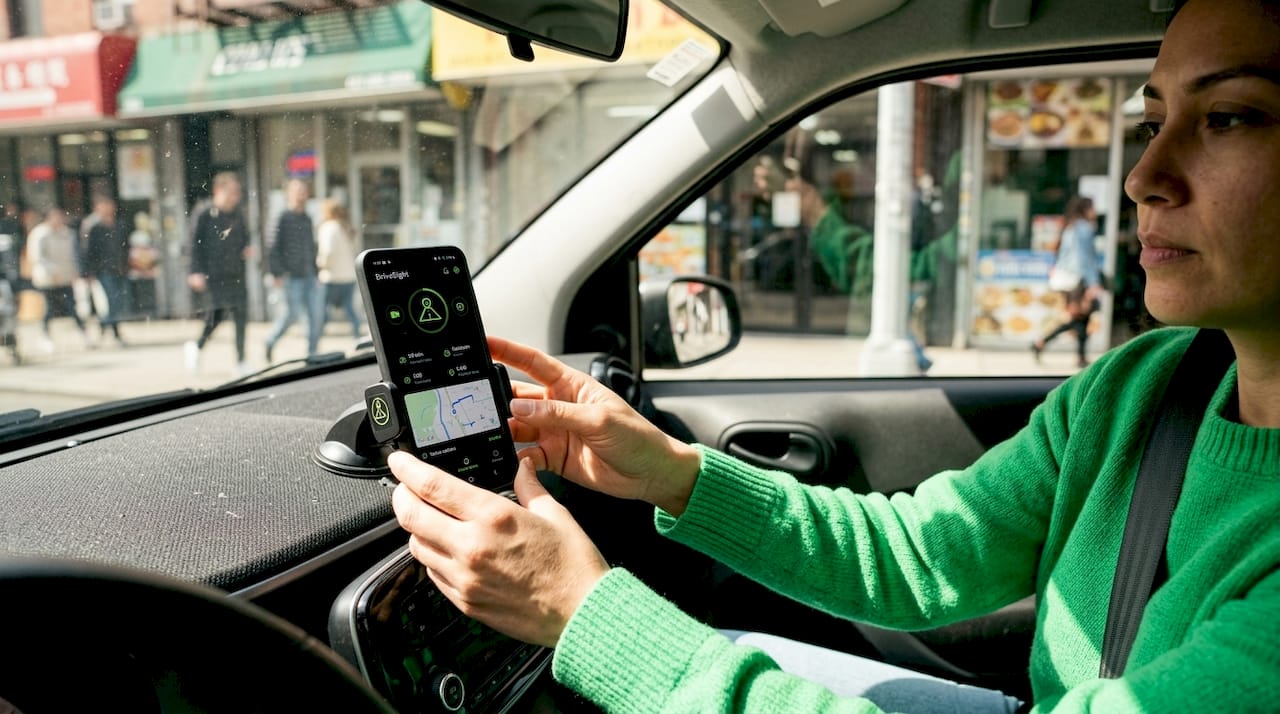
1. What core features are included in free dashcam apps
Free dashcam apps cover the safety functions most drivers genuinely need. Core free features include continuous loop recording, accelerometer-based crash detection, GPS speed overlays, and automatic video locking on impact. These are not stripped-down placeholders. They are the same functions that protect you in an accident and provide evidence to insurers.
Here is what you get without paying a cent on apps like Droid Dashcam and Smart Dash Cam:
- Continuous loop recording overwrites old footage automatically so your storage never fills up
- Crash and impact detection locks the current clip the moment your accelerometer registers a collision
- GPS overlays embed your speed, location, and timestamp directly into the video frame
- Local storage management lets you export clips manually or set retention rules
- Background recording keeps the camera running even when your screen is off
Pro Tip: Mount your phone with the screen facing away from direct sunlight. Heat is the main reason free-tier recording sessions get interrupted on older devices.
The free tier on best free dashcam apps for Android is genuinely functional for commuters and casual drivers. You do not need a subscription to capture a rear-end collision or a parking lot scrape.
2. Which advanced features come with premium dashcam apps
Premium dashcam features are built around connectivity and automation. Where free apps record and lock footage locally, paid tiers push that footage to the cloud, alert you in real time, and let you review incidents from anywhere.
The most significant premium tier additions include:
- Cloud backup with extended retention so footage survives even if your phone is stolen or damaged
- Push notifications that alert you the moment an incident is detected
- Remote live viewing so you can check your parked vehicle from your phone
- AI-based hazard detection using models like YOLOv8 to identify pedestrians, cyclists, and vehicles in real time
- Two-way voice communication for fleet managers or parents monitoring new drivers
- GPS tracking on maps with route history and geofencing alerts
BlackVue’s free cloud plan omits push notifications and remote live view entirely. Those features unlock at the Lite tier for $3.99 per month. Smart Dash Cam follows a similar model where the free tier covers basics and subscriptions unlock expanded cloud and alert functionality. For professional drivers, ride-share operators, and fleet managers, these additions are worth the cost. For a daily commuter who parks in a private garage, they probably are not.
The cost of premium dashcam features is not just financial. Cloud connectivity means your footage travels off your device, which introduces privacy considerations covered in the next section.
3. How privacy and data permissions differ between free and premium apps
Privacy in dashcam apps is not determined by price. It is determined by architecture. A 2026 permission audit by Dash Cam Insight found that Garmin Drive requests 48 Android permissions and shares location data with third parties, while VIOFO requests only 16 permissions, and BlackVue declares zero data collection despite requiring account creation. That spread has nothing to do with free versus paid status.
| App | Permissions requested | Third-party data sharing | Account required |
|---|---|---|---|
| Garmin Drive | 48 | Yes, including location | Yes |
| VIOFO | 16 | Not declared | No |
| BlackVue | 0 declared | No | Yes |
The key insight from that audit is that permission counts alone do not reflect actual privacy risk. Garmin’s high count comes with transparent audit documentation. BlackVue’s zero declared permissions still require you to evaluate runtime behavior separately. What matters is the combination of manifest permissions, data safety declarations, privacy policies, and third-party audit reports.
Cloud-connected premium apps require accounts and transmit footage to external servers. Apps with cloud connectivity may collect more personal data as a direct result of that infrastructure. AlfredCamera, for example, restructured its free tier to limit clip retention and session times because cloud bandwidth costs money, and that cost gets recovered through data monetization or subscriptions.
Pro Tip: Before installing any dashcam app, open its Google Play data safety section and check whether it declares data shared with third parties. That single field tells you more than the app’s marketing page.
4. Practical considerations that influence your choice
The right tier depends on how you drive, what device you use, and how much you value convenience over simplicity. These are the real-world factors that matter most:
- Device age and heat tolerance. Continuous recording on older phones generates significant heat, especially when AI detection or dual-camera features are active. A phone that throttles at 95°F will drop frames or crash the app mid-journey.
- Battery and power source. Any dashcam app running all day needs a powered mount. Without one, premium features like parking mode drain your battery completely within hours.
- User interface complexity. Droid Dashcam targets users who want granular control over bitrate, resolution, and sensor sensitivity. Smart Dash Cam prioritizes simplicity. Neither approach is wrong, but the learning curve affects whether you actually use the app consistently.
- Driver type and use case. Free tiers suit casual users who need basic incident recording. Premium subscriptions make financial sense for delivery drivers, ride-share operators, and anyone who parks in high-risk locations overnight.
The cost-benefit calculation is straightforward. If you drive 20 minutes to work and park in a locked garage, a free app covers you completely. If you drive for Uber or leave your vehicle on a city street, remote live viewing and cloud backup pay for themselves after one incident.
5. Free vs premium dashcam apps: side-by-side comparison
A direct feature comparison between popular apps shows that free tiers are not crippled products. They are complete tools for core safety recording. Premium tiers add a connectivity layer on top.
| Feature | Free tier | Premium tier |
|---|---|---|
| Continuous loop recording | Yes | Yes |
| Crash detection and auto-lock | Yes | Yes |
| GPS speed overlay | Yes | Yes |
| Cloud backup | No | Yes |
| Push notifications | No | Yes |
| Remote live viewing | No | Yes |
| AI hazard detection | Limited or none | Full |
| Extended video retention | No | Yes |
| Subscription cost | $0 | $3.99 to $9.99/mo |
Free apps like Droid Dashcam and the DriveSight free tier handle everything in the left column without a subscription. Premium apps like BlackVue’s paid cloud plans and DriveSight’s premium upgrade cover the full table. The side-by-side data confirms that the free-to-premium gap is about cloud services and AI automation, not about whether the app records reliably.
Key takeaways
Free dashcam apps cover core safety recording reliably, while premium tiers add cloud connectivity and AI automation that only justify their cost for high-frequency or professional drivers.
| Point | Details |
|---|---|
| Free apps cover the basics | Loop recording, crash detection, and GPS overlays are available at no cost on apps like Droid Dashcam. |
| Premium adds cloud and AI | Cloud backup, push notifications, and AI hazard detection are the defining premium upgrades. |
| Privacy is not tied to price | Garmin requests 48 permissions while BlackVue declares zero, regardless of subscription tier. |
| Device hardware matters | Older phones overheat during continuous AI-assisted recording, limiting premium feature practicality. |
| Match tier to use case | Casual commuters need free tiers; delivery drivers and ride-share operators benefit from premium subscriptions. |
What we actually think about this choice
After building and testing dashcam apps across dozens of Android devices, we have a clear opinion: most drivers are overbuying. The free tier on a well-built app records every incident you will ever need to dispute an insurance claim or prove fault in a collision. The footage quality, the crash lock, the GPS overlay. That is the product. Cloud backup and remote live view are genuine conveniences, but they are not safety features in the strict sense.
Where we see premium features earn their cost is in professional contexts. A delivery driver making 40 stops a day in an unfamiliar city benefits from real-time hazard alerts and route-stamped cloud footage. A parent whose teenager just got a license benefits from GPS tracking and push notifications. For everyone else, we recommend starting with the free version of any app you are considering, including DriveSight, and upgrading only when you hit a specific limitation that affects your actual driving.
The privacy angle is the part most buyers ignore entirely. We have seen drivers pay for premium subscriptions on apps that share location data with third parties, while free apps with on-device processing offer stronger privacy by default. Price is not a proxy for trustworthiness. Read the data safety declaration before you install anything.
— Cyberlab Automation
Try DriveSight free before you decide anything
If you are still weighing your options, DriveSight gives you a direct way to test both sides of this comparison without committing to a subscription.
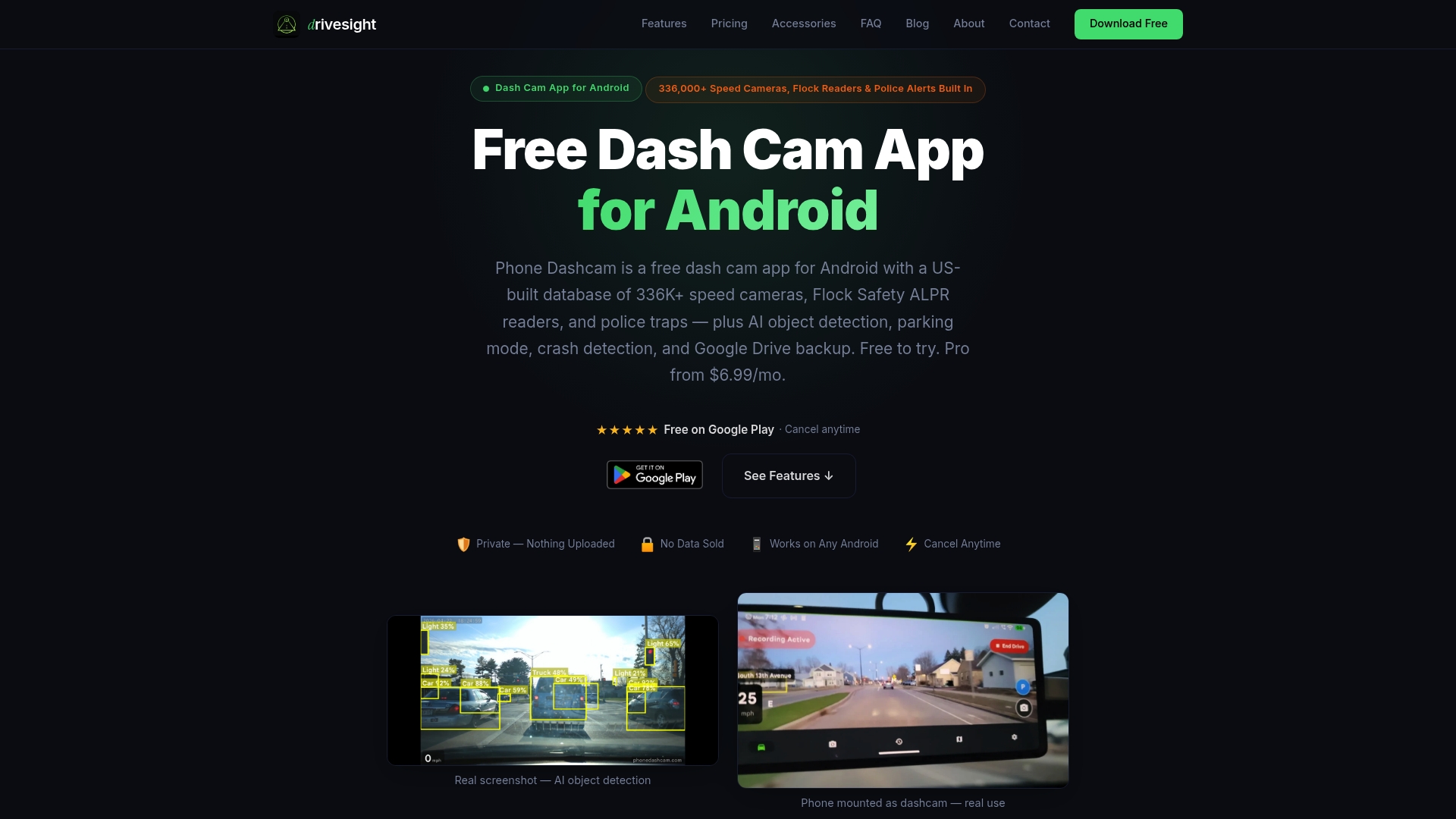
The DriveSight free tier includes continuous loop recording, accelerometer-based crash detection, GPS overlays, and local storage management on any Android phone. No account required, no data shared with third parties, and no hardware to buy. The premium upgrade adds AI-powered detection using YOLOv8, real-time alerts from a database of over 336,000 speed cameras and police traps worldwide, cloud backup, and parking security mode. You can also compare DriveSight directly against Droid Dashcam to see exactly where the feature sets diverge before making a decision.
FAQ
What features do free dashcam apps include?
Free dashcam apps typically include continuous loop recording, crash detection with automatic video locking, GPS speed overlays, and local storage management. Apps like Droid Dashcam and Smart Dash Cam deliver all of these without a subscription.
Is a premium dashcam app worth paying for?
Premium dashcam apps are worth the cost for delivery drivers, ride-share operators, and anyone who parks in high-risk locations, since cloud backup, push notifications, and remote live viewing address real professional needs. Casual commuters generally get full value from free tiers.
Do premium dashcam apps have better privacy than free ones?
Not necessarily. A 2026 audit found that Garmin Drive requests 48 permissions and shares location data, while BlackVue declares zero data collection despite being a premium cloud product. Privacy depends on app architecture, not subscription price.
Can I use an old Android phone as a dashcam for free?
Yes. Apps like DriveSight and Droid Dashcam run on older Android devices and record continuously without hardware costs. The main limitation is heat and battery drain during long sessions, which a powered mount solves.
How much do premium dashcam app subscriptions cost?
Premium dashcam subscriptions typically range from $3.99 to $9.99 per month. BlackVue’s Lite plan starts at $3.99 per month and unlocks push notifications and remote live viewing that are absent from the free cloud tier.
Recommended
- Phone Dashcam — Free Dash Cam App for Android
- Phone Dashcam vs Droid Dashcam — Which Android Dashcam App Is Better?
- Phone Dashcam Blog — Dashcam Guides, App Comparisons & Driving Tips
- What Is a Smartphone Dashcam App? Your 2026 Guide
Get Phone Dashcam free
Loop recording, crash detection, GPS tracking, and AI object detection — all in your phone. No new hardware required.
Download Phone Dashcam