Top 4 reddit.com Alternatives for Community Discussions 2026

Finding a mobile dashcam app that combines reliable crash recording, privacy-first detection, and real-time alerts without expensive subscriptions or hardware installs is tougher than expected. Most apps either require proprietary cameras, lock core features behind paid tiers, or neglect privacy by sending footage to cloud servers without user control. This comparison shows which options balance cost, device reuse, and alert accuracy so you can pick the right dashcam app for your driving needs.
Table of Contents
DriveSight
At a Glance
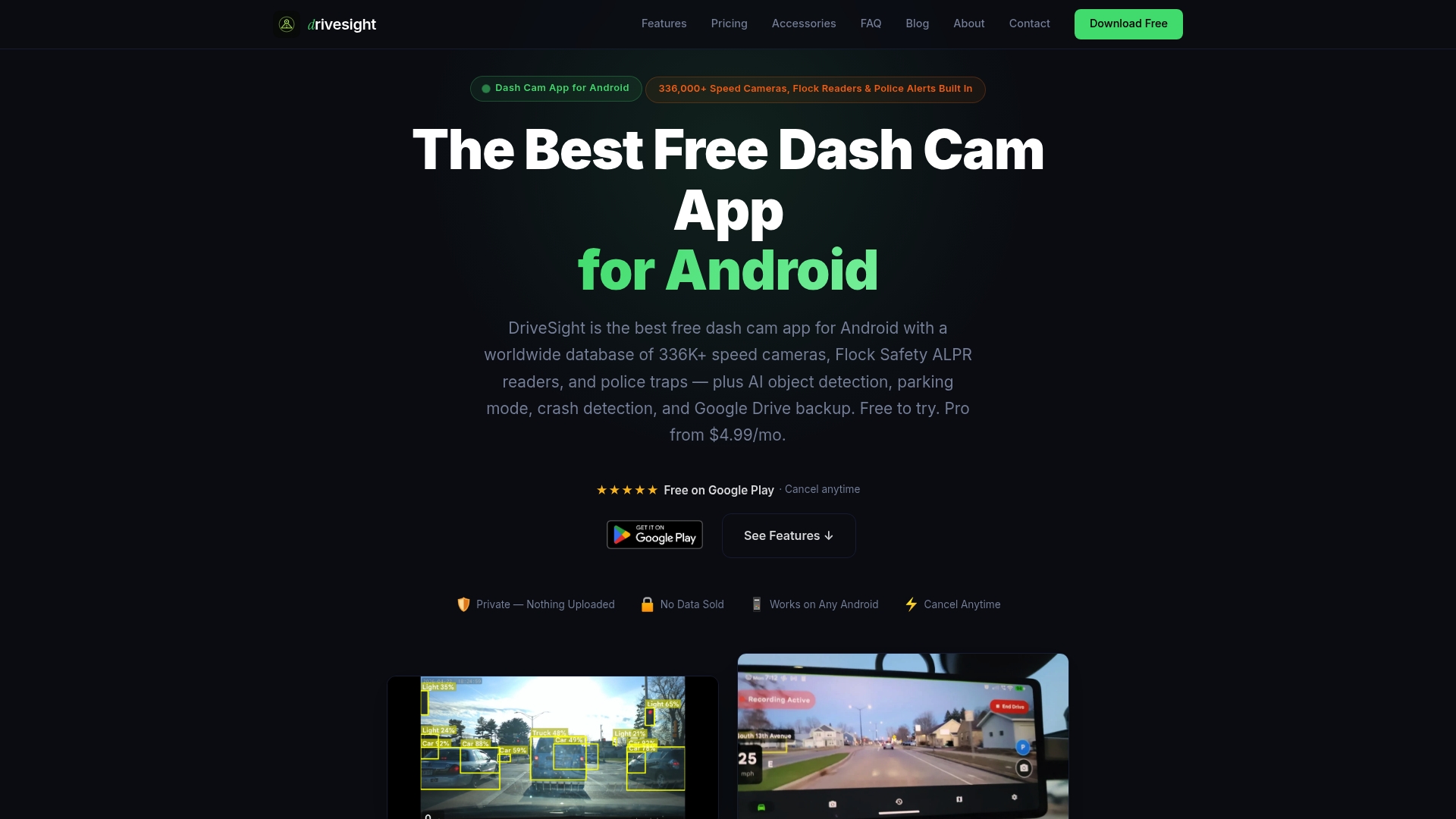
DriveSight’s marketing materials state a database of 336,000+ cameras, red light cameras, police traps, and ALPR readers available for live alerts. The app runs on Android phones from 2017 onward and converts a spare device into a functioning dashcam with crash saving and parking surveillance.
Core Features
- Loop recording in configurable segment lengths so the oldest footage is overwritten automatically.
- Parking mode with motion detection and impact sensing that locks clips when activity is detected.
- AI object detection performed on the device for vehicles, pedestrians, and animals rather than sending video to remote servers.
- Built-in alerts sourced from the large cameras database for speed and police warnings.
- Crash impact detection with automatic clip lock and Google Drive backup for important evidence.
Key Differentiator
The vendor advertises that DriveSight performs its detection and alerting entirely on-device with no cloud processing required for core features. That design preserves privacy and reduces ongoing data transfer while keeping core functionality available without subscribing.
Pros
- Cost saving: reuse an old Android phone instead of buying a dedicated unit, which lowers upfront expense and hardware waste.
- Privacy-first detection: running the model locally means video and detections stay on your device unless you back clips up to cloud storage.
- Real driving alerts: the cameras and police-alert dataset gives live warnings that reduce surprise tickets and improve situational awareness.
- Backup for incidents: Google Drive backup locks and copies crash clips automatically, simplifying insurance or legal follow up.
- Frequent updates: the vendor delivers regular feature updates so detection rules and the alert database evolve without manual installs.
Cons
- Requires a spare Android device and a mount; it is more obvious on the windshield than a discreet, permanently installed dashcam.
Who It’s For
Drivers who have an unused Android phone and want a privacy-focused dashcam without wiring or hardware outlay. It suits commuters, delivery and rideshare drivers, and people who need overnight parking surveillance without buying a separate camera.
Unique Value Proposition
You can repurpose a phone from 2017 onward to gain dashcam capabilities without wiring or new hardware. That lowers total cost of ownership and lets you deploy an intelligent recorder the same day you mount and charge the device.
Real World Use Case
A delivery driver mounts an old Android phone, enables parking mode overnight, and uses on-device AI to detect pedestrians, animals, or impact events. While driving, the app issues speed and police alerts; crash clips are automatically locked and backed up to Google Drive for claims.
Pricing
Core features are free. Pro unlocks additional capabilities, listed as $4.99/month or $29.99/year, which adds remote viewing, police alerts, and enhanced AI detection.
Website: https://phonedashcam.com
Flarum
At a Glance — Flarum
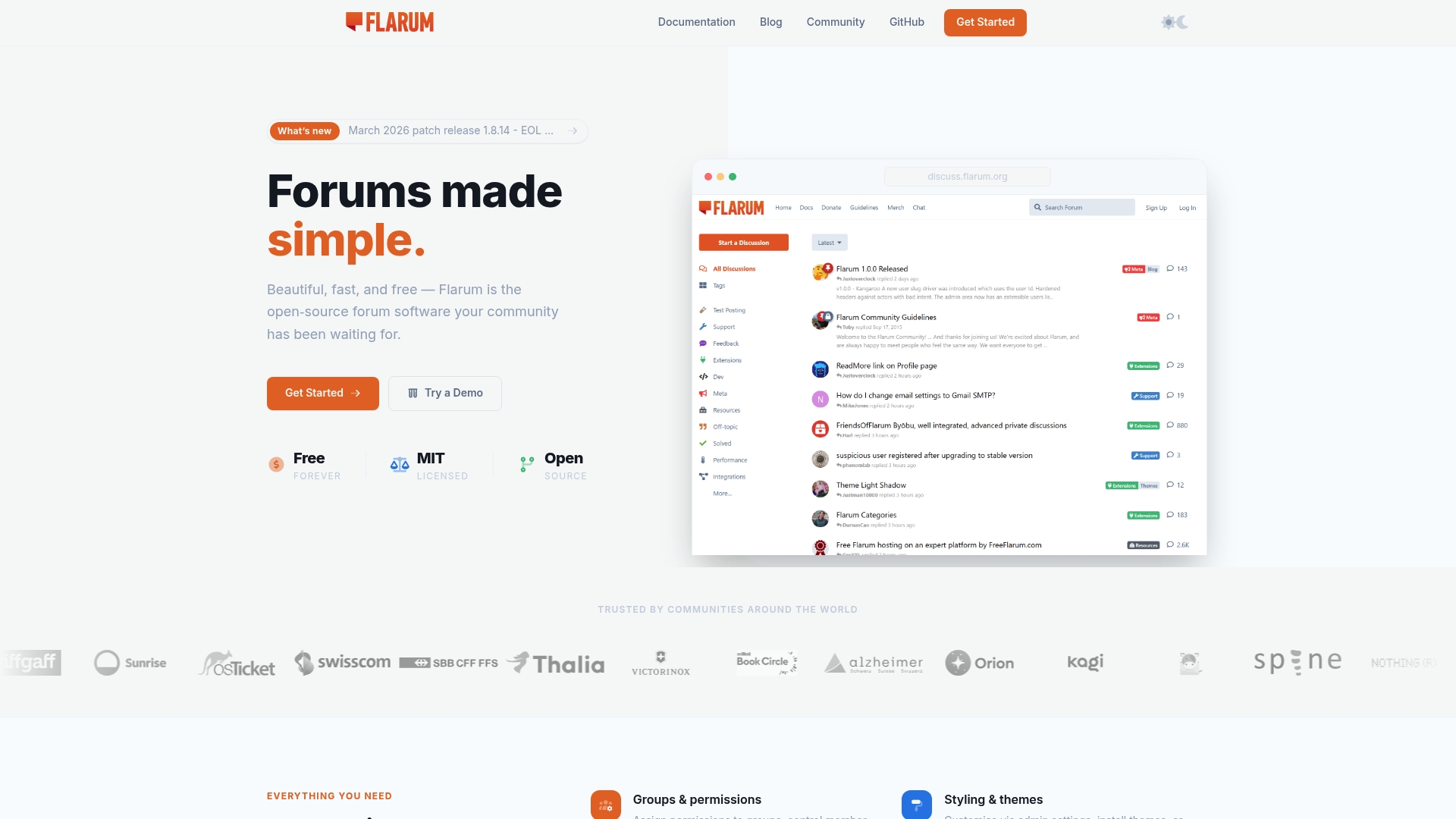
MIT licensing and a forever-free license are the first thing many community managers notice about Flarum. Built on Laravel, it pairs a lightweight, mobile-friendly forum UI with a plugin-first architecture that lets small hobby projects scale toward enterprise needs.
Core Features — Flarum
- Open-source forum software with an MIT license and active community governance.
- Customizable extensions that add features from extra editors to moderation tools.
- Rich permission and moderation controls for granular roles and group settings.
- Responsive UI that works across desktop and mobile devices.
- Multiple editing options including Markdown and WYSIWYG editors.
Key Differentiator — Flarum
Flarum’s marketing emphasizes an extension ecosystem that lets you tailor the forum without changing core code. That model suits teams that want the freedom to assemble features piece by piece instead of buying a one-size-fits-all hosted product.
Pros — Flarum
-
Lightweight user experience speeds page loads and reduces friction for newcomers. This matter-of-fact speed makes reading and posting feel immediate.
-
The extension ecosystem enables targeted custom work. You can add only the features you need rather than enabling a long list of extras by default.
-
Built on Laravel, which gives developers a familiar framework for writing secure custom extensions and integration points.
-
The project is governed by the Flarum Foundation, which signals long-term open-source stewardship rather than a single-company roadmap.
-
Free and MIT-licensed, so license costs won’t block experiments or moving code between environments.
Cons — Flarum
-
Extensions are powerful but introduce maintenance overhead. Keeping an extension stack compatible across upgrades requires developer time.
-
Some community reports describe initial enthusiasm fading after a short period if no one takes charge of extension updates and moderation.
-
The extension marketplace can feel fragmented. Picking compatible plugins sometimes demands testing and occasional troubleshooting.
When It May Not Fit
If you want a plug-and-play hosted forum with an SLA and hands-off maintenance, Flarum will feel like extra work. Organizations without developer resources to maintain extensions or to adapt themes will run into limits quickly.
If you need heavy enterprise features out of the box such as advanced analytics or guaranteed vendor support, look elsewhere.
Who It’s For — Flarum
Community managers and developers who want full control over behavior and appearance will appreciate Flarum. It fits hobbyist groups that plan to grow, open-source projects that want a modifiable hub, and engineering teams able to maintain extensions.
Real World Use Case — Flarum
A technical hobby community needed lightweight threads, tag-based discovery, and a simple moderation workflow. They deployed Flarum, added a curated set of extensions for editor controls and permissions, and kept operation lean by updating only essential plugins.
Website: https://flarum.org
Tribe Chat
At a Glance — Tribe Chat
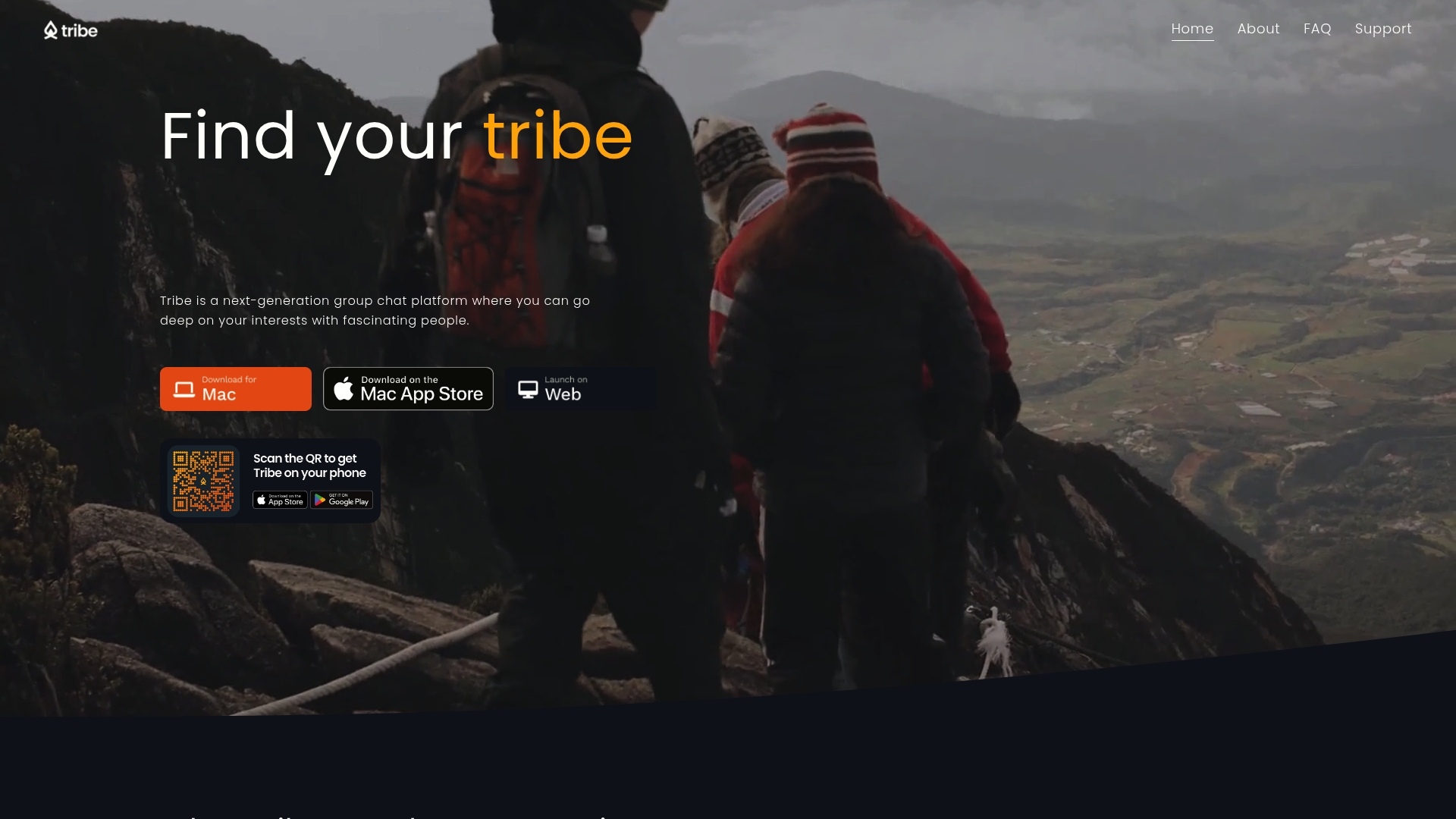
No ads and no ranking algorithms is front and center for Tribe Chat, which pushes discoverable, interest-based groups ahead of feeds and viral posts. The platform runs on web, Mac, Windows, iOS, and Android so groups stay reachable across devices.
Core Features — Tribe Chat
- Searchable interest-based communities you can join by topic, tag, or local area.
- Structured group chats with real names and profiles to reduce anonymity-driven noise and encourage accountability.
- Activities such as trivia, events, polls, and basic AI integrations to keep conversations interactive.
- Cross-platform access across web, Mac, Windows, iOS, and Android with community moderation and privacy controls.
Key Differentiator — Tribe Chat
Tribe Chat centers on moderated, interest-driven communities where identity and scheduled activities matter more than virality. That focus makes it a niche fit compared with DriveSight which concentrates on automotive safety and dashcam tools. Tribe Chat prioritizes direct community interaction over broadcast reach.
Pros — Tribe Chat
- Focused discovery makes it fast to find groups by hobby or topic instead of wading through general social noise. New members can land in relevant conversations within minutes.
- Strong moderation tools and an emphasis on profiles reduce trolling and encourage civil discussion. That helps sustain long term conversation quality.
- Built activities such as events, polls, and trivia turn passive groups into places that plan real gatherings and persistent projects.
- Cross device support means organizers can post event details on a desktop and expect RSVPs from members on mobile.
- The platform advertises no ads and no algorithms which keeps timelines chronological and community driven.
Cons — Tribe Chat
- Community management customization is limited compared with heavyweight forum software so large organizations may find the controls thin.
- Requiring real names and profiles raises the bar for entry and can exclude users who prefer pseudonymous participation.
- The platform depends on active membership. Small or newly formed groups can go quiet and lose momentum.
When It May Not Fit — Tribe Chat
If you want quick, casual conversations with disposable aliases Tribe Chat feels too structured. Teams that need deep moderation rules, advanced roles, or granular analytics will outgrow the native toolset.
Community organizers who rely on constant high volume will see diminishing returns when activity drops because the value of a group depends on people showing up.
Who It’s For — Tribe Chat
People intent on building purpose driven communities around hobbies, politics, AI, movies, or gaming who prefer real identities and deliberate moderation. Also good for meetup organizers who need cross device reach and simple activity tools.
Real World Use Case — Tribe Chat
A local photography club uses Tribe Chat to run monthly scavenger hunts. Organizers post the challenge, members submit photos in the group thread, a poll decides the winner, and an event RSVP finalizes the in person meetup.
Website: https://tribechat.com
Lemmy
At a Glance — Lemmy
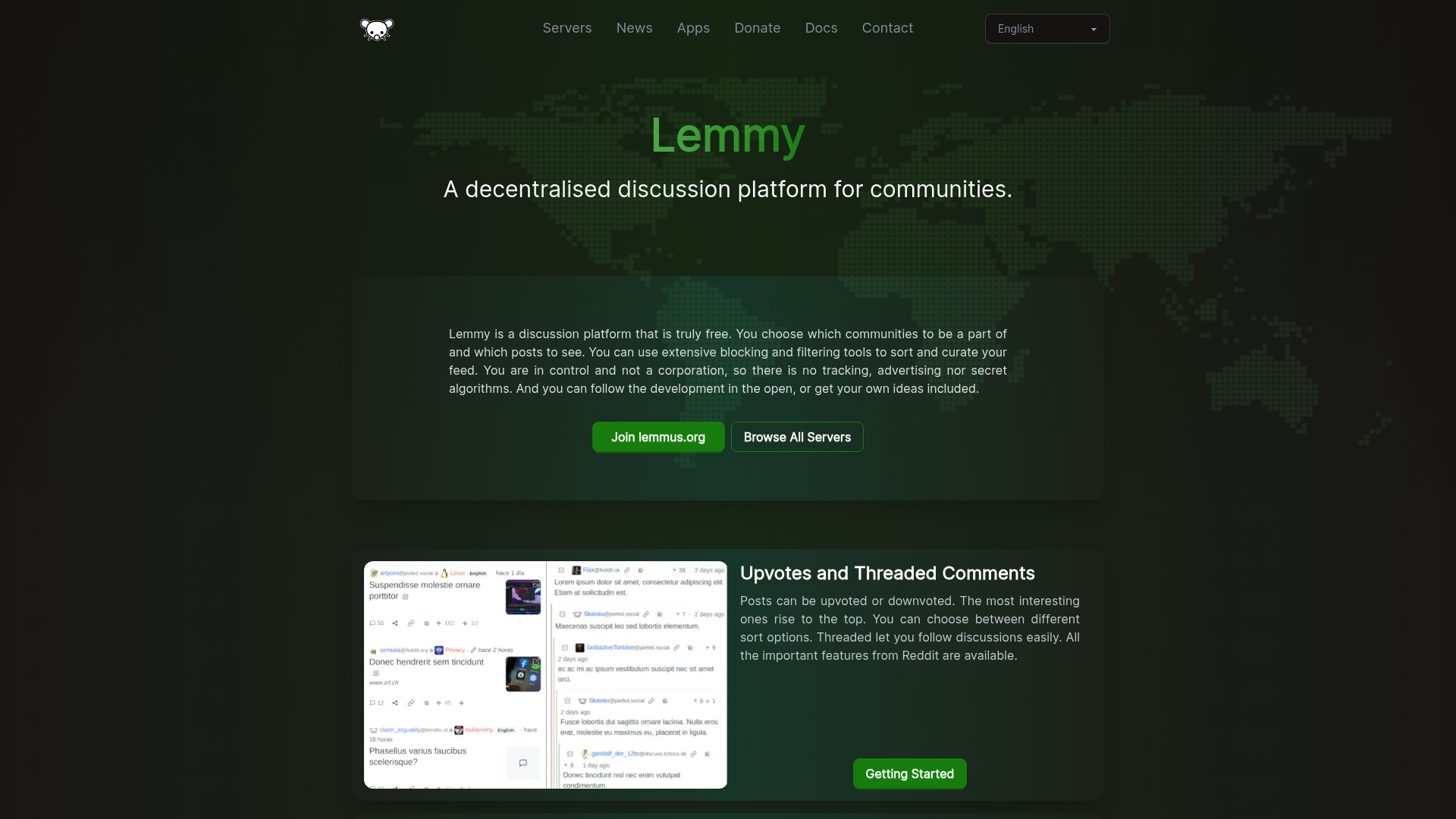
Designed for low resource hosts, Lemmy can run on a small VPS or Raspberry Pi while federating across ActivityPub instances to let communities interact across servers. The platform is fully open source and intentionally avoids corporate tracking and advertising. Try a public instance first, then consider self-hosting.
Core Features — Lemmy
Lemmy ships a handful of community primitives that mirror classic forum workflows and make federation practical.
- ActivityPub federation so posts and comments travel between instances.
- Threaded comments with upvotes and downvotes for threaded discussion flow.
- Multiple official and third party apps for iOS, Android, Desktop, and Web.
- Open source codebase and self-hostable setups with Docker and Ansible support.
Deploy a test instance or join an existing server to evaluate moderation and federation behavior.
Key Differentiator — Lemmy
Lemmy’s defining attribute is federation combined with open source governance. Instances remain community controlled rather than consolidated under a single company, which shifts moderation, policy, and uptime decisions to individual server operators. That model prioritizes privacy and local control over centralized convenience. Consider whether you want that control before committing to a host.
Pros — Lemmy
- Decentralized and ad free. Communities run independently, which removes corporate tracking and ad pressure from everyday browsing.
- Highly customizable. The open source code lets communities add features or tweak moderation workflows without vendor gates.
- Federation enables cross-server conversations. You can follow people on other instances without a single global account.
- Feature rich for a lightweight system. Notifications, emoji, tagging, and image uploads are all available across clients.
- Low resource footprint. The platform is practical for hobbyists who want to host on small hardware.
Cons — Lemmy
- Experience varies by instance. Different servers and third party apps lead to inconsistent UI and interaction quality.
- Moderation quality is uneven. Community health depends on local admins and volunteer moderators rather than a central trust team.
- Self-hosting requires technical skill. Deploying and maintaining a server involves updates, backups, and occasional troubleshooting.
When It May Not Fit — Lemmy
If you want a uniform, professionally managed experience with centralized moderation and polished mobile apps out of the box, Lemmy’s distributed model can feel fragmented. It is also a poor fit for groups unwilling to invest time in moderation or technical upkeep. Choose a hosted community only if you accept that tradeoff.
Who It’s For — Lemmy
Tech-savvy communities, privacy minded users, and hobbyist groups who want full control over their data and moderation. Also good for organizers who want persistent archives and the option to migrate or fork an instance without corporate lock in.
Real World Use Case — Lemmy
A local hacker collective launched a Lemmy instance on a low cost VPS using Docker. Members share tooling tips, post event notices, and run an events calendar while moderation rules are set by a small admin team. The server later migrated to a Raspberry Pi for offline meetups.
Website: https://join-lemmy.org
Comparing Mobile Dashcam Alternatives
Selecting the mobile dashcam app involves considering various features, capabilities, and user requirements outlined in this analysis. Here, we compare several alternatives to provide insights into their unique strengths.
Privacy and Processing Design
DriveSight excels in keeping video processing on-device, which prioritizes user privacy by avoiding cloud-based AI analysis while retaining low data usage. Competitors with cloud processing may offer more computationally intensive features but at the potential cost of data privacy and higher bandwidth requirements.
Lemmy, although not a dashcam application, prides itself on decentralized operation and privacy-first design. While unique for community software, these traits differ significantly from DriveSight’s goals of user aid during driving.
Customization and Maintenance
While DriveSight shares regular updates that improve capabilities over time, the customization level is predefined by its app-based nature. Contrastingly, Flarum and Lemmy, as open-source platforms, allow deep customization through extensions or instance hosting. This enables developers and technically inclined users to significantly mold these tools to their needs beyond what DriveSight provides.
Best Fit Recommendations
- DriveSight is suitable for drivers needing a straightforward, privacy-focused solution using existing Android devices. It provides safety through immediate real-time assistance rather than post-event customization.
- Flarum fits community organizers aiming to expand using plugin-based customization and independence from hardware-focused applications.
- Lemmy benefits technologically adept users requiring a self-hosted vehicle for sharing resources, though its community focus diverges from typical automotive use cases.
Our Pick
DriveSight effectively modernizes older devices into reliable safety tools. Its core appeal lies in converting technology most people already own into an affordable, convenient, dashcam system suitable for immediate deployment. However, users seeking forum-like collaboration or strong community features would gravitate toward Flarum or Lemmy instead for their tailored experiences.
Mobile Dashcam Apps Comparison
Choosing the right mobile dashcam application depends greatly on the features and specific capabilities that best suit your driving and monitoring needs.
| Product | Core Feature | Key Differentiator | Best For | Pricing | Notable Limitation |
|---|---|---|---|---|---|
| DriveSight | Live alerts for cameras and hazards | On-device AI detection for privacy | Android users desiring cost-effective solutions | Free, Pro $4.99/mo or $29.99/yr | Requires a spare Android phone for operation |
| Flarum | Open-source forum software | Extension-based customizability | Developers seeking adaptable forum systems | Not disclosed | Extension maintenance can require significant effort |
| Tribe Chat | Interest-based group chats | No ads or algorithms for straightforward interaction | Organizers of hobby communities | Not disclosed | Limited controls for large community management |
| Lemmy | Decentralized community interaction platform | Federation via ActivityPub across instances | Privacy-focused technology enthusiasts | Not disclosed | Varies in experience quality by instance administration |
Discover Safe Driving Solutions Beyond Community Discussions
When exploring reddit.com alternatives for community discussions in 2026, safety on the road is a key concern that often goes overlooked. While building engaged and trustworthy communities matters, protecting yourself from unexpected traffic challenges ensures peace of mind every time you drive. DriveSight turns your old Android phone into a powerful dashcam with AI-powered detection and real-time alerts for police traps and traffic cameras from a database of over 336,000 devices worldwide.
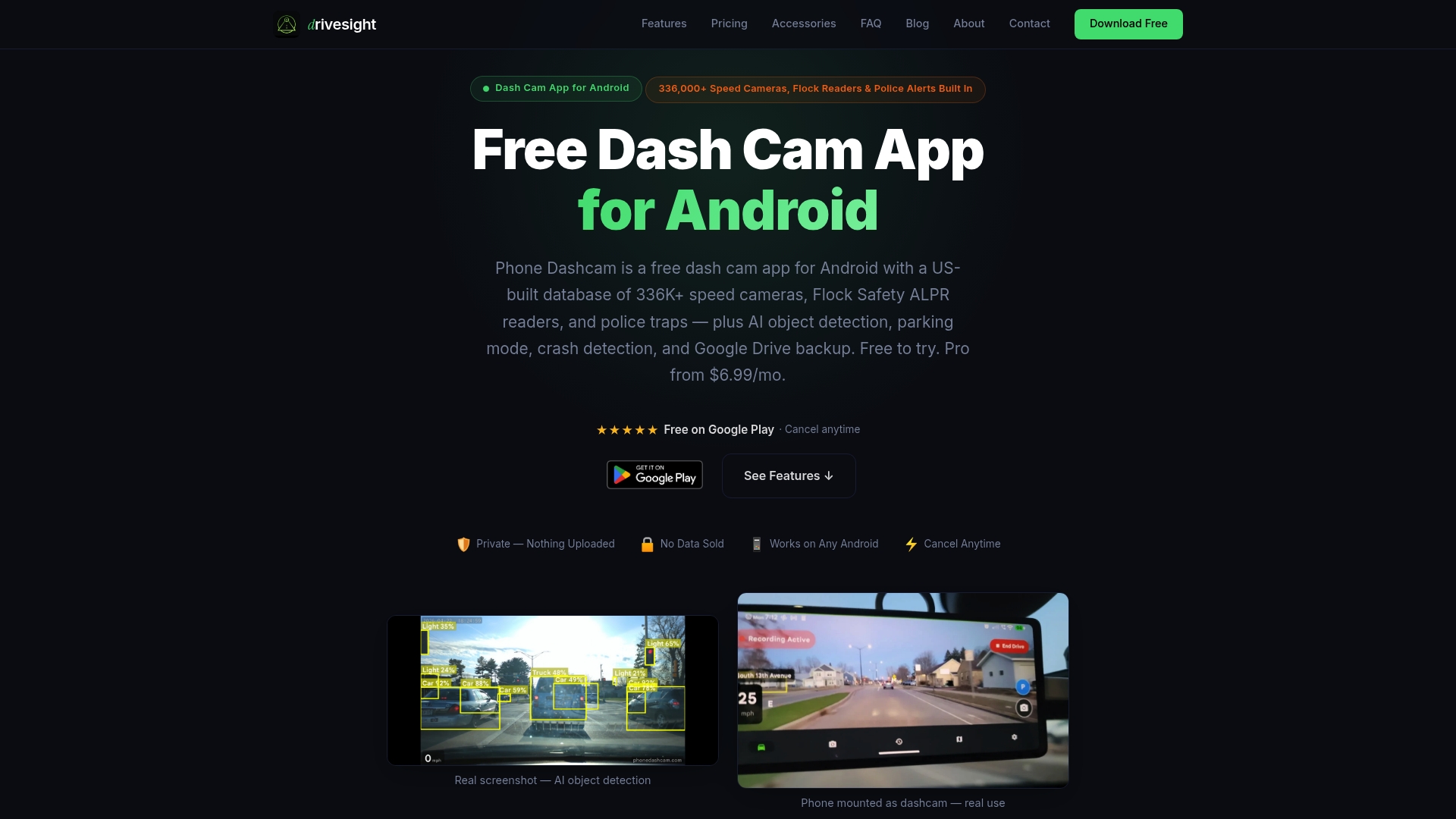
Stay ahead of speed cameras and improve your vehicle security with DriveSight’s privacy-focused app. Don’t let hidden threats go unnoticed while you navigate life’s conversations. Visit DriveSight now and start capturing critical footage with automatic crash saving and cloud backup. Take charge of your road safety and back up your evidence instantly.
Frequently Asked Questions
How does DriveSight ensure video privacy for users?
DriveSight maintains user privacy by performing AI object detection directly on the device rather than sending video to remote servers. This design preserves privacy and limits ongoing data transfer, ensuring that video and detections stay on your device unless you back up clips to cloud storage. Users looking for a privacy-focused dashcam can benefit from this local processing feature.
What is the difference between DriveSight and a dedicated dashcam?
DriveSight is unique because it repurposes an old Android phone into a functioning dashcam, while dedicated dashcams often come with a permanent installation. DriveSight offers features such as crash impact detection and automatic Google Drive backups without requiring additional equipment. Readers can opt for DriveSight if they want an economical solution that avoids the costs associated with dedicated devices.
Can I use DriveSight for parking surveillance?
Yes, DriveSight includes a parking mode that features motion detection and impact sensing, automatically locking clips when activity is detected. This capability allows users to monitor their vehicles overnight without needing a separate camera. Drivers seeking easy parking surveillance can confidently use DriveSight for this purpose.
What features does the free version of DriveSight offer?
The free version of DriveSight provides core features like crash impact detection and AI object detection, along with loop recording. Users can start using these essential capabilities without any upfront costs. For enhanced features, users can consider upgrading to the Pro version, which costs $4.99/month or $29.99/year.
Which alternative app offers cross-device support for community discussions?
Tribe Chat offers comprehensive cross-device support across web, Mac, Windows, iOS, and Android, allowing users to engage in structured group chats from various platforms. This feature makes Tribe Chat a good option for users who prioritize accessibility in multi-device environments. Those interested in community discussions may find Tribe Chat suitable for their needs, though DriveSight is specifically designed for automotive safety.
Recommended
- Top 3 google.com Alternatives 2026
- Top 6 ALPR Alert Apps for Fleet Operators 2026
- 5 Best Radar Detector Apps for Android in 2026 (Free & Paid)
- 7 Best Speed Camera Alert Apps for Android in 2026 (Tested & Ranked)
Get Phone Dashcam free
Loop recording, crash detection, GPS tracking, and AI object detection — all in your phone. No new hardware required.
Download Phone Dashcam